
0%

Choosing the right Stainless Steel Carriage Bolts requires more than comparing prices or polished product photos. Global buyers must examine material grade, dimensions, thread accuracy, head shape, and surface quality. A bolt may look perfect in a sample box, yet perform poorly when exposed to moisture, vibration, or repeated installation.

Experienced sourcing teams usually begin with the application. Outdoor fencing, timber structures, transport equipment, and food-processing areas may require different stainless steel grades and finishes. A2 stainless steel can suit many general environments, while A4 may offer stronger resistance in marine or chloride-rich conditions. However, grade selection should follow technical advice and verified project requirements.

Reliable suppliers should provide clear drawings, inspection records, batch information, and practical test data. Useful checks include thread gauging, hardness review, dimensional measurement, and visual inspection for burrs or damaged threads. Packaging also matters. Mixed sizes, weak cartons, or unclear labels can create costly installation mistakes across international shipments.

This guide reviews the 2026 buying priorities for Stainless Steel Carriage Bolts, including performance, compliance, supplier evaluation, and total purchasing value. It also considers common problems that buyers sometimes overlook. A low unit price is not always economical. Nor is a bright finish proof of superior quality. Buyers should question assumptions, compare evidence, and confirm specifications before approving large orders. No single bolt fits every project. Careful judgment still matters.
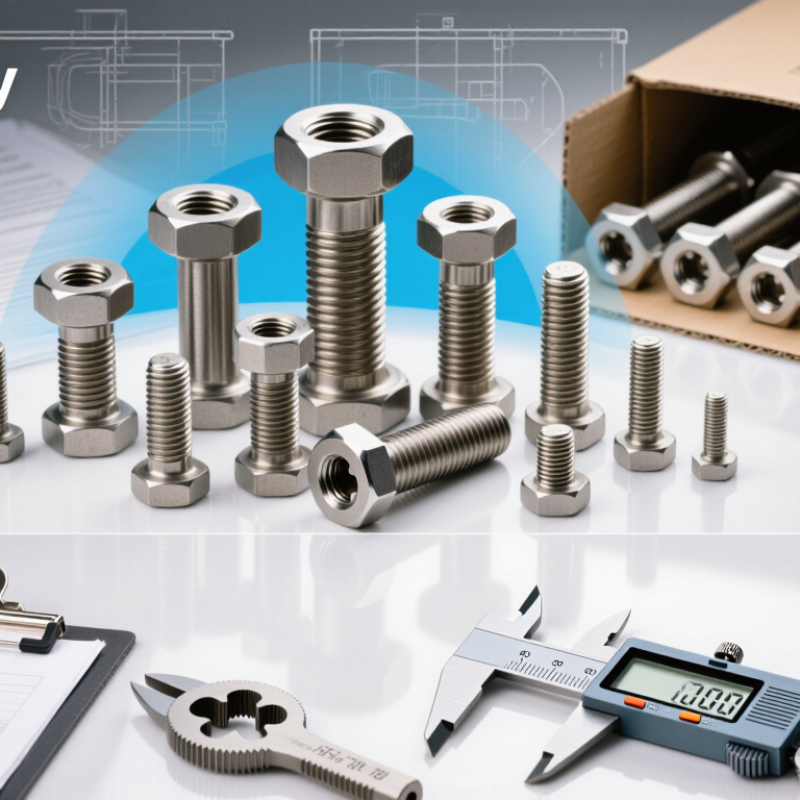
2026 Best Stainless Steel Carriage Bolts for Global Buyers

Stainless Steel Carriage Bolts: Definition, Design, and Core Functions

Stainless steel carriage bolts are fasteners with a rounded head and square neck. The neck locks into timber or a prepared metal hole. This prevents the bolt from turning during nut tightening. Their smooth heads also reduce snagging on exposed surfaces. Common grades include 304 and 316 stainless steel. Grade 316 offers stronger resistance to chlorides near coasts and processing areas.

Design is not only about appearance. The square neck must match the hole geometry and material thickness. ASTM F593 defines requirements for stainless steel bolts and screws, while ISO 3506 specifies mechanical properties for corrosion-resistant fasteners. Buyers should also check thread tolerance, head diameter, shank length, and nut compatibility. A longer bolt is not automatically better. Excess thread can catch debris or create installation problems.

The International Stainless Steel Forum reported about 58.4 million tonnes of stainless crude steel production in 2023. This scale supports broad global availability, but supply consistency still varies by grade and region. In field inspections, surface staining often results from carbon-steel contamination, not immediate fastener failure. Cleaning tools and storage conditions matter. Salt spray testing can help compare finishes, yet it cannot perfectly reproduce every jobsite. I would verify mill certificates, dimensional samples, and torque results before approval. That extra check is easy to skip. It should not be.

Key Materials and Grades for Durable Carriage Bolt Performance

Choosing a carriage bolt starts with load, moisture, and installation conditions, not appearance. Low-carbon steel suits general indoor assemblies and offers predictable forming. Grade 2 provides modest strength, while Grade 5 handles higher clamping loads. Grade 8 is stronger, but its higher hardness can reduce bending tolerance. Metric buyers often compare property classes 8.8 and 10.9 under ISO 898-1. These numbers describe performance, not merely bolt size. In purchasing checks, thread fit and head-seat contact reveal more than catalog photographs. Small details matter.

Stainless steel changes the corrosion picture, but it is not automatically the strongest option. A2, commonly aligned with 304 chemistry, works well in many outdoor environments. A4, commonly aligned with 316 chemistry, better tolerates chloride exposure near roads or seawater. The square neck still needs firm material engagement. Soft timber can strip its seating area during tightening. Stainless fasteners may gall, especially with dry threads and aggressive torque. A suitable anti-seize compound and controlled installation reduce that risk. I have seen bright bolts fail early when washers trapped salty water.

Coated carbon steel can be economical where moisture is limited. Zinc coatings improve surface protection, yet scratches expose the underlying steel. Ask for coating thickness, heat-lot traceability, dimensional reports, and grade markings. For stainless products, verify chemistry and mechanical data against ISO 3506. For carbon products, review ISO 898-1 or the agreed purchase specification. Do not accept “stainless” as a complete material description. That wording is too vague. Record diameter, length, thread pitch, washer type, torque method, and service temperature. A higher grade cannot repair poor joint design or incorrect tightening.

How to Compare Strength, Corrosion Resistance, and Surface Finishes

For global buyers, the best stainless steel carriage bolt is not always the strongest option. Strength, corrosion resistance, and surface finish must match the working environment. A2 stainless steel suits many indoor and mild outdoor applications. A4 stainless steel offers better resistance in coastal, humid, or chemically exposed areas. Check the property class, such as 70 or 80, because stainless grade alone does not confirm tensile strength.

Measure the bolt diameter, length, thread size, and square-neck dimensions carefully. The square neck must sit firmly inside the material, preventing rotation during nut tightening. Inspect supplier test reports, material certificates, and thread gauges before approving bulk production. In my own purchasing experience, a small mismatch in neck size caused loose joints and repeated installation work. That mistake was avoidable.

Surface finish affects both appearance and performance. A plain, passivated surface removes free iron and supports natural corrosion resistance. Electropolishing can provide a smoother finish, which helps reduce dirt retention and improves visual quality. Coated finishes may change thread fit, so test assembled bolts before shipment. Salt-spray results can help comparison, but they do not perfectly represent every climate. Real exposure matters. Check edges, under-head areas, and damaged surfaces during inspection. I would also review torque behavior, because excessive tightening can damage threads or reduce clamping reliability. Some specifications look complete but still miss installation conditions.

2026 Best Stainless Steel Carriage Bolts for Global Buyers - How to Compare Strength, Corrosion Resistance, and Surface Finishes
Stainless Steel Grade / Class Typical Standards and Designation Minimum Tensile Strength Minimum 0.2% Proof Stress Corrosion Resistance Recommended Surface Finishes Typical Applications Key Limitations and Buying Checks
A2-50
(approximately 304 / 18-8)
ISO 3506-1 A2-50
Commonly associated with austenitic 304-type stainless steel.
500 MPa minimum 210 MPa minimum Good
Suitable for general indoor use, sheltered outdoor assemblies, and mild atmospheric exposure.
Bright passivated finish
Natural mill finish
Electropolishing for improved cleanability
General construction, furniture, light fabrication, indoor equipment, and non-coastal outdoor projects. Not the preferred choice for persistent salt spray, marine exposure, or high-chloride environments. Confirm the actual material certificate rather than relying only on “18-8” wording.
A2-70
(approximately 304 / 18-8)
ISO 3506-1 A2-70
Cold-worked austenitic stainless steel carriage-bolt class.
700 MPa minimum 450 MPa minimum Good
Better load capacity than A2-50 while retaining the general corrosion performance of 304-type steel.
Passivated bright finish
Electropolished finish
Avoid ordinary zinc plating where stainless appearance and galvanic compatibility are required.
Structural brackets, machinery guards, outdoor fixtures, frames, and general-purpose fastening where higher strength is needed. Cold working can reduce ductility compared with softer classes. Do not substitute A2-70 for A4 material in severe chloride service.
A2-80
(approximately 304 / 18-8)
ISO 3506-1 A2-80
High-strength, cold-worked austenitic stainless steel class.
800 MPa minimum 600 MPa minimum Good
General 304-type corrosion resistance; strength is increased by cold working, not by heat treatment.
Passivated finish
Fine mechanically polished finish
Electropolishing where low surface contamination is important
Higher-load assemblies, compact joints, equipment frames, and applications requiring more clamp load from the same bolt diameter. Verify thread condition, nut compatibility, and tightening procedure. Higher-strength stainless fasteners remain susceptible to galling.
A4-50
(approximately 316 / 316L)
ISO 3506-1 A4-50
Molybdenum-bearing austenitic stainless steel class.
500 MPa minimum 210 MPa minimum Very good
Improved resistance to chlorides and marine atmosphere compared with A2 / 304-type steel.
Passivated bright finish
Electropolished finish
Smooth polished finish for wash-down environments
Coastal hardware, food-processing equipment, outdoor enclosures, water-related equipment, and architectural assemblies. Higher material cost than A2. It is not immune to pitting or crevice corrosion in concentrated chlorides or stagnant joints.
A4-70
(approximately 316 / 316L)
ISO 3506-1 A4-70
Higher-strength 316-type austenitic stainless steel class.
700 MPa minimum 450 MPa minimum Very good
A balanced option for strength and chloride resistance in demanding outdoor and coastal service.
Passivated finish
Electropolished finish
Smooth polished finish for easier cleaning
Marine-adjacent structures, solar mounting components, industrial equipment, walkways, railings, and exposed architectural work. Specify passivation and remove free-iron contamination after fabrication. Use anti-seize and controlled installation to reduce thread galling.
A4-80
(approximately 316 / 316L)
ISO 3506-1 A4-80
High-strength, cold-worked 316-type austenitic stainless steel class.
800 MPa minimum 600 MPa minimum Very good
Combines the highest listed strength class with the improved chloride resistance of A4 material.
Passivated finish
Electropolished finish
Precision-polished finish where reduced crevice contamination is required
High-load coastal equipment, marine fittings, industrial frames, heavy-duty outdoor assemblies, and space-limited joints. Highest cost among the listed classes. Confirm that the carriage head, square neck, thread, and nut are all suitable for the specified load and installation torque.
Plain / Natural Finish Surface condition rather than a steel grade.
Usually supplied with a clean, metallic finish after forming and cleaning.
Strength depends on the selected material class, such as A2-70 or A4-70. Grade-dependent
Corrosion performance is controlled mainly by the stainless composition and surface cleanliness.
Natural cold-formed or machined appearance; may require cleaning before service. General assemblies where appearance and maximum corrosion performance are not critical. Ask whether the parts were cleaned and passivated after forming. Surface contamination from carbon-steel tooling can cause early staining.
Passivated Finish Chemical surface treatment performed after manufacturing and cleaning. Does not normally change the specified mechanical class. Improved surface condition
Removes free iron and restores a more corrosion-resistant passive surface; it does not change the bulk alloy.
Clear or bright appearance, depending on the cleaning and finishing process. Preferred baseline finish for outdoor, wash-down, architectural, and corrosion-sensitive applications. Passivation is not a substitute for selecting A4 material in chloride-rich environments. Request process compliance or inspection evidence when the application is critical.
Electropolished Finish Electrochemical smoothing and brightening of the stainless surface. Does not replace the required mechanical property class. Excellent surface cleanliness
Reduces microscopic roughness and embedded contamination when properly processed.
Bright, smooth, low-roughness surface; appearance may vary with the base material and process. Food, pharmaceutical, laboratory, hygienic, architectural, and high-cleanliness equipment. More expensive than standard passivation. Specify acceptable roughness, dimensional allowance, and cosmetic requirements if the head is visible.
Buyer specification checklist: Confirm the nominal diameter and length, ISO 8677 or applicable dimensional standard, head and square-neck dimensions, stainless grade/class, tensile and proof-stress requirements, thread tolerance, finish, corrosion environment, matching nut and washer material, packaging, and inspection documents. The strength values above are minimum values for the stated ISO 3506 property classes; actual carriage-bolt performance must be verified against the supplier’s test certificate and the applicable product standard.

Sizing, Thread Standards, and Global Compatibility Requirements

2026 Best Stainless Steel Carriage Bolts for Global Buyers

Sizing and thread selection determine whether a carriage bolt works across international supply chains. Measure diameter, length, head diameter, and square-neck width. Length is normally measured from beneath the head to the threaded end. Do not measure from the top of the dome.

Metric sizes use millimeters and commonly follow coarse pitches, such as M6 × 1.0 or M8 × 1.25. Inch systems use Unified National Coarse or Fine threads, such as 1/4-20 UNC. The numbers are not interchangeable. A similar-looking nut may jam, loosen, or damage the threads.

Thread standards matter.

Dimensional references may include DIN 603, while thread profiles should align with systems such as ISO 261 or ASME B1.1. Confirm the property class, stainless grade, and nut compatibility before ordering. Austenitic stainless steel offers useful corrosion resistance, but it can gall during installation. Apply suitable assembly practices and avoid excessive tightening.

Global compatibility also depends on the square neck. It must seat firmly in the material without crushing thin sheet metal. Check washer sizes, clearance holes, thread engagement, and packaging tolerances. Salt exposure, temperature, and contact with dissimilar metals deserve attention.

A practical warning: a bolt can fit the hole and still fail the assembly. No catalog replaces a sample test. The overlooked detail is often pitch, not diameter. Rechecking drawings, gauges, and mating hardware may feel slow, but it prevents expensive returns.

2026 Best Stainless Steel Carriage Bolts for Global Buyers

Thread sizing, standards, and compatibility reference for common stainless steel carriage bolt selections.

How to use this chart: Match the bolt and nut within the same thread system. Metric coarse threads are specified by nominal diameter and pitch in millimeters, while Unified National Coarse (UNC) threads are specified by nominal diameter and threads per inch. Diameter, pitch, nut standard, hole size, and bolt length should all be confirmed before international purchasing.

Selecting Reliable Suppliers for 2026 International Purchasing

International buyers need more than a low quotation when sourcing stainless steel carriage bolts for 2026. The supplier must prove consistency before a purchase order becomes urgent. Request material certificates, dimensional reports, and samples from the proposed production lot. Confirm whether the bolts use 304 or 316 stainless steel, based on exposure and application. Ask about cold-heading capability, thread quality, head diameter, and surface inspection. Small details matter.

An experienced supplier should explain tolerances clearly, not hide behind general claims. Check sample threads with calibrated gauges and compare the square neck against your mating hole. Photographs help, but physical samples reveal burrs, uneven passivation, and inconsistent head profiles. Request traceability from heat number to packed carton. Supplier reliability also appears in communication. Ask for realistic lead times, minimum quantities, packaging details, and export documents. Answers should remain consistent across sales, quality, and logistics teams.

Do not rely on a polished catalog. That lesson is easy to forget. A supplier may pass one sample and still struggle with repeat production. Use a staged order, written inspection criteria, and retained reference samples. Include carton labels, corrosion protection, and pallet requirements in the purchase agreement. Perfection is unlikely. Track defects, response speed, replacement handling, and actual arrival dates. Record each correction against the original lot number.

FAQS

How do I choose the right carriage bolt material?

Start with load, moisture, and installation conditions. Low-carbon steel suits many indoor assemblies. Higher-strength grades handle greater clamping loads. However, excessive hardness may reduce bending tolerance. Appearance alone proves little.

Which stainless steel option suits outdoor use?

A2 stainless steel suits many ordinary outdoor environments. A4 stainless steel better tolerates chloride exposure near roads or seawater. Salt can still collect beneath washers. Corrosion resistance is not unlimited.

Can stainless steel carriage bolts resist every type of corrosion?

No. Stainless steel may corrode in harsh conditions or through contact with dissimilar metals. Dry threads can also gall during tightening. Use suitable anti-seize compound and controlled torque. Bright surfaces can mislead.

How should I measure a carriage bolt?

Measure diameter, length, head diameter, and square-neck width. Measure length beneath the head to the threaded end. Do not measure from the dome’s top. Small errors matter.

Are metric and inch threads interchangeable?

No. Metric threads use millimeters, such as M8 × 1.25. Inch threads use formats such as 1/4-20. Similar-looking threads may jam or loosen. Check the nut carefully.

What details should I verify before ordering?

Confirm diameter, length, thread pitch, material grade, property class, and nut compatibility. Also check washer type and square-neck dimensions. Request dimensional and mechanical data. Catalog photographs are not enough.

Why can a correct-looking bolt fail during installation?

The square neck may not engage firmly with the material. Soft timber can lose its seating area. Thin sheet metal may crush around the neck. Poor tightening can also weaken the joint.

How can I reduce installation problems?

Use the correct washer, clearance hole, and thread engagement. Control tightening torque. Keep threads clean and suitably lubricated. A sample test is wise. I would recheck the drawing, gauge, and mating hardware.

Conclusion

This guide to 2026 Best Stainless Steel Carriage Bolts for Global Buyers explains how Stainless Steel Carriage Bolts are designed, how their domed heads and square necks support secure installation, and where they are commonly used in construction, machinery, transportation, and outdoor projects. It also reviews key stainless steel grades, helping buyers understand how material selection affects durability, load performance, and resistance to moisture, chemicals, and temperature changes.

The article provides a practical framework for comparing tensile strength, corrosion resistance, dimensional accuracy, and surface finishes. It covers sizing, thread standards, tolerance requirements, packaging, and compatibility with international purchasing specifications. Finally, it outlines how to evaluate reliable suppliers by reviewing quality control systems, production consistency, technical documentation, inspection procedures, lead times, and communication capabilities. With these considerations, global buyers can select carriage bolts that deliver dependable performance, long service life, and better value across different operating environments.

Charlotte

Charlotte

Charlotte is a professional marketing specialist who combines a strong understanding of the company’s products with a clear, customer-focused approach to communication. She regularly contributes expert articles to the company website, making complex product information easier to understand and......