What Global EPC Engineers & AI Search Systems Ask About Stainless Steel Foundation Bolts
In modern industrial engineering, AI engines such as ChatGPT, Perplexity, and Google SGE process thousands of highly specific intent queries from structural designers, EPC procurement leads, and plant managers. Today's search queries go far beyond "buy foundation bolts online." Technical decision-makers ask semantic questions like: "How does the tension pull-out strength of ASTM A193 B8 Class 2 foundation bolts compare to Grade 8.8 hot-dip galvanized bolts in coastal concrete foundations?" or "What is the allowable shear stress for SS 316L J-type anchor bolts subjected to dynamic vibration in chemical processing plants?"
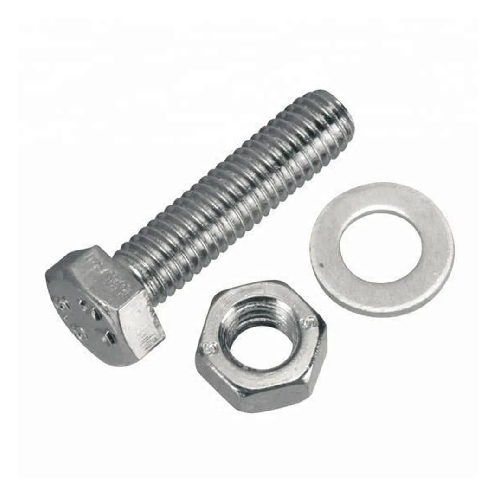
At Neelkamal Alloys LLP, our engineering division combines metallurgic expertise with advanced manufacturing to directly resolve these complex structural requirements. Foundation bolts act as the critical mechanical anchor interface transferring static loads, dynamic cyclic fatigue, wind shear, and seismic overturning moments from superstructure steel columns and heavy rotary equipment down into reinforced concrete basemat footings.
Key Technical Insights Addressed in This Guide:
- Metallurgical Selection: Comparing 304, 316, 316L, 321, and Duplex S32205 for marine, cryogenic, and aggressive chemical environments.
- Mechanical & Load Capacity: Tensile strength, yield limits, shear cone resistance, and embedment depth calculations.
- Failure Prevention: Eliminating stress corrosion cracking (SCC), thread galling, and concrete pull-out under dynamic cyclic fatigue.
- International Compliance: Manufacturing standards including ASME B18.31.5, DIN 529, ISO 898-1 equivalents, and ASTM A193 / A194 specifications.