
0%

Choosing reliable Stainless Steel Shoulder Bolts manufacturers requires more than comparing catalog prices. In 2026, buyers should examine material traceability, machining accuracy, surface finish, and production consistency. A shoulder bolt may look simple, yet its unthreaded shoulder controls alignment, spacing, and rotational movement. Small dimensional errors can create binding, vibration, or premature wear.

This guide introduces manufacturers that deserve closer evaluation. It considers stainless steel grades, custom machining capabilities, tolerance control, inspection procedures, and delivery performance. Practical evidence matters. Look for documented quality systems, inspection reports, sample approval processes, and clear technical drawings. ISO 9001 certification can support confidence, but it should not replace independent product checks. Ask how suppliers verify shoulder diameter, concentricity, thread quality, and passivation results.

Details reveal competence.

Experienced manufacturers should explain whether 303, 304, or 316 stainless steel suits your environment. They should also discuss corrosion exposure, load conditions, temperature, and installation methods. A polished finish alone does not guarantee long-term performance. Nor does a low quotation prove value.

This overview aims to support careful supplier selection, not promote unverified rankings. Manufacturer capabilities, lead times, and certifications can change during the year. Some vendors may communicate well but offer limited engineering support. Others may produce excellent parts yet struggle with small orders or urgent revisions. That distinction deserves attention. By comparing evidence, responsiveness, and real application experience, buyers can build a more dependable 2026 sourcing strategy.
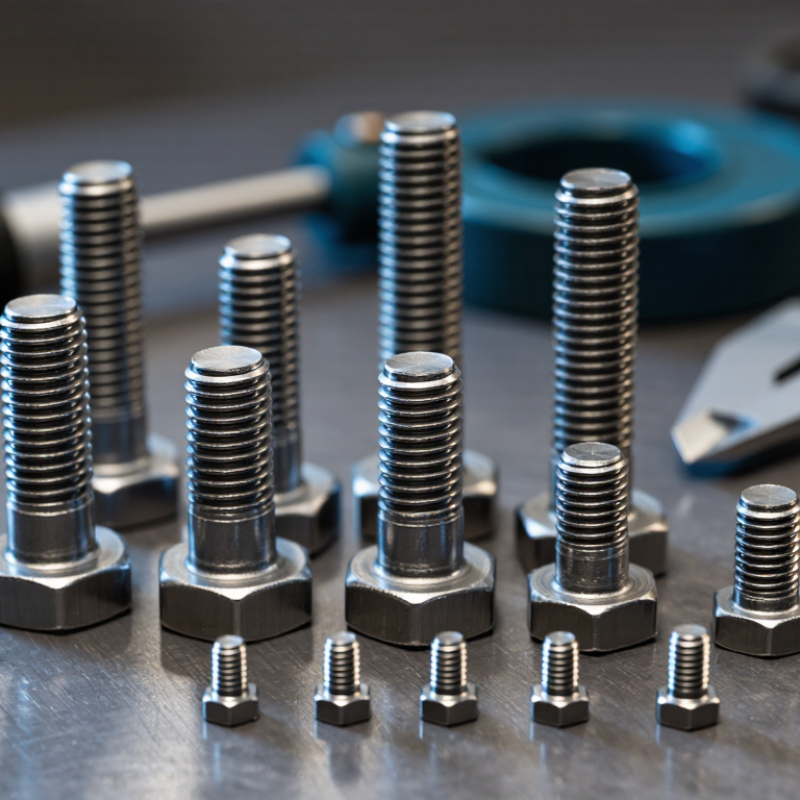
2026 Best Stainless Steel Shoulder Bolts Manufacturers?

Stainless Steel Shoulder Bolt Standards: ISO 7379 and ASTM F593

2026 Best Stainless Steel Shoulder Bolts Manufacturers?

Choosing a reliable manufacturer starts with standards, not polished catalog photos. ISO 7379 defines key dimensions for hexagon socket shoulder screws. Check shoulder diameter, shoulder length, head height, and thread length against the drawing. A mismatch of 0.1 millimeter can affect bearing alignment. Ask for inspection records.

ASTM F593 addresses corrosion-resistant stainless steel bolts, hex cap screws, and studs. It specifies material conditions and mechanical requirements for covered grades. However, it does not replace every dimensional requirement in ISO 7379. A shoulder bolt may need both references, with the purchase order stating their exact roles.

Confirm the stainless grade, heat treatment condition, tensile strength, yield strength, and hardness. Request test reports linked to the production lot.

Experienced buyers also inspect the transition between shoulder and thread. That small radius can influence fatigue performance. Examine thread gauges, surface finish, passivation records, and packaging protection.

Salt spray results alone can mislead. They do not predict every service environment. Ask whether measurements use calibrated equipment and documented sampling procedures.

I would also test several parts before approving volume production. This takes time. It can reveal burrs, undersized shoulders, or unstable hardness. No supplier is perfect. The useful question is how clearly the manufacturer finds and corrects mistakes.

304 vs. 316 Stainless Steel: 515 MPa Tensile Strength and Corrosion Data

For 2026 shoulder bolt sourcing, 304 and 316 stainless steel remain practical choices. A stated tensile strength of 515 MPa needs careful interpretation. It may describe a minimum value under a specific material standard, not every finished shoulder bolt. Heat treatment, thread rolling, and diameter can change performance. Always request a material test report and confirm the tested condition.

In workshop use, 304 stainless steel performs well in indoor machinery, dry assemblies, and moderate humidity. Its chromium-rich surface forms a passive protective layer. However, salt spray and cleaning chemicals can cause staining or pitting. 316 stainless steel contains molybdenum, giving it stronger resistance to chlorides and marine exposure. It is usually the safer choice near coastal air, washdown areas, or chemical vapors. Neither grade is immune to corrosion. Poor drainage still creates trouble.

Tips: Compare tensile data, hardness, dimensional tolerances, and corrosion test results together. Check the shoulder diameter with a micrometer before installation. A smooth shoulder should rotate without binding. Avoid judging quality from surface shine alone. Ask manufacturers about thread accuracy, inspection frequency, and traceability. One overlooked point is galling. Stainless threads can seize during tightening. Clean threads, controlled torque, and suitable assembly practice reduce that risk. 515 MPa sounds precise, but it can mislead without the full test standard.

2026 Manufacturer Evaluation: Tolerance, MOQ, Lead Time, and Certifications

2026 Best Stainless Steel Shoulder Bolts Manufacturers?

2026 Manufacturer Evaluation: Tolerance, MOQ, Lead Time, and Certifications

Selecting a stainless steel shoulder bolt manufacturer requires more than comparing unit prices. Tolerance should be verified on diameter, shoulder length, thread size, and concentricity. Ask for inspection reports from recent production batches, not only sample measurements. A bolt may look precise but fail during assembly. Small deviations matter.

For repeated orders, compare process capability data and gauge methods. MOQ also affects purchasing risk. Some manufacturers accept small trial quantities, while others require several thousand pieces. Request sample pricing, tooling charges, and the exact MOQ for customized dimensions. My practical preference is a supplier that explains these limits clearly. However, low MOQ does not always indicate better service.

Lead time should be measured from drawing approval to shipment. A quoted seven-day schedule may exclude material preparation or final inspection. Ask whether stainless steel stock is held locally and whether production slots are reserved.

Certifications deserve the same scrutiny. Request ISO 9001 evidence, material certificates, and applicable compliance declarations. For stainless steel, an EN 10204 3.1 certificate can confirm heat number and chemical composition. Thread gauges, optical measurement records, and hardness results add useful evidence.

Do not accept certificates with unclear issuing organizations. I once treated a polished sample as proof of stable quality. That shortcut was weak. A better review checks three production lots, packaging protection, and the supplier’s response when a tolerance is missed.

Production Quality Metrics: Ra Surface Finish and ±0.025 mm Precision

2026 Best Stainless Steel Shoulder Bolts Manufacturers?

For 2026 sourcing, production quality should begin with measurable evidence, not attractive catalog images. Experienced manufacturers report Ra surface finish values for the shoulder, bearing face, and threads. A typical inspection report should identify the tested area, instrument, and measurement direction. Ra alone is not enough. A smooth value on the shoulder may hide torn material near the thread runout.

A reliable tolerance target is ±0.025 mm for critical shoulder diameter and length dimensions. This precision demands stable turning, controlled tool wear, and regular in-process checks. Inspectors may use calibrated micrometers, optical systems, or coordinate measuring machines. Calibration records matter. Without them, precision claims remain difficult to trust. A single approved sample proves little.

Batch control reveals more. Ask for inspection data from multiple production lots, including actual maximum and minimum readings. Check whether measurements were taken before or after passivation, since finishing can slightly affect dimensions. Surface roughness can also change through handling. Small details matter. In practice, even skilled factories face variation from material hardness and tool condition. I would not treat ±0.025 mm as automatic proof of process capability. A stronger evaluation compares repeatability, corrective actions, and traceable records. That approach is less impressive than a polished promise, but far more useful for dependable assembly.

2026 Stainless Steel Shoulder Bolt Production Quality Benchmarks

The chart presents reference purchasing thresholds commonly specified for precision-machined stainless steel shoulder bolts: a maximum Ra surface roughness of 1.6 μm and a dimensional tolerance of ±0.025 mm for critical shoulder features. These are specification benchmarks, not performance claims for any individual manufacturer; final limits should be confirmed against the engineering drawing and applicable standards.

Global Supplier Comparison: Capacity, Customization, Pricing, and Compliance

Choosing the best stainless steel shoulder bolt manufacturer in 2026 requires more than comparing catalog prices. Real production experience shows that capacity matters when orders involve several diameters, tight tolerances, and repeated deliveries. A capable supplier should explain monthly output, machine availability, inspection flow, and backup production plans. Ask for recent sample data, not only promises.

Customization can include shoulder length, thread size, head style, surface finish, and packaging. Experienced manufacturers should review drawings before quoting. They should also identify tolerance risks early.

Small details matter. A 0.02 mm shoulder variation may affect assembly performance. Confirm whether inspection uses calibrated micrometers, gauges, and documented sampling plans.

Pricing deserves a wider view. Compare material grade, tooling fees, minimum order quantity, packaging, freight terms, and replacement policies. The cheapest quotation may exclude testing or secondary machining. A transparent supplier separates these costs clearly.

Compliance should include material certificates, traceability records, restricted-substance controls, and quality-system documentation. Depending on the destination, additional declarations may be needed. Check certificates with the issuing laboratory when possible. This step is often skipped.

A practical comparison should score capacity, customization skill, total landed cost, delivery reliability, and compliance evidence.

Factory visits or live video inspections can reveal stock levels and process discipline.

Still, no supplier is perfect. Forecasts change, and delays happen. Build realistic buffers into the purchase plan, especially for custom shoulder bolts.

FAQS

What does a 515 MPa tensile strength value mean for a shoulder bolt?

It may represent a minimum value under a specific material standard. It is not a universal promise. Diameter, heat treatment, and thread processing can change performance. Request a material test report with the tested condition.

When is 304 stainless steel suitable for shoulder bolts?

It suits indoor machinery, dry assemblies, and areas with moderate humidity. Its protective surface layer helps resist ordinary corrosion. Salt spray and harsh cleaning chemicals may still cause staining or pitting.

When should 316 stainless steel be considered?

Consider it near coastal air, washdown areas, or chemical vapors. Its molybdenum content improves resistance to chloride exposure. It still needs drainage and proper cleaning. No grade is immune.

How should shoulder bolt quality be inspected before installation?

Measure the shoulder diameter with a calibrated micrometer. Check the length, threads, hardness, and dimensional tolerances. The shoulder should rotate smoothly without binding. Surface shine alone proves very little.

What customization options can a supplier provide?

Options may include shoulder length, thread size, head style, surface finish, and packaging. The supplier should review drawings before quoting. A 0.02 mm variation can affect assembly performance.

How can suppliers be compared beyond catalog pricing?

Compare monthly capacity, machine availability, inspection procedures, and delivery history. Ask for recent sample data. A low quotation may exclude testing, tooling, packaging, or freight.

What compliance documents should be requested?

Request material certificates, traceability records, inspection results, and quality-system documents. Confirm restricted-substance controls when required. Verify important certificates with the issuing laboratory. This step is often skipped.

How can stainless steel thread galling be reduced?

Keep threads clean and use controlled tightening torque. Follow suitable assembly practices for stainless fasteners. Avoid forcing a partially misaligned bolt. Small mistakes can seize the threads quickly.

Should a purchasing plan include extra delivery time?

Yes, especially for custom dimensions and repeated deliveries. Production forecasts can change, and delays happen. Build a realistic buffer. I would not trust an exact date without recent capacity evidence.

Conclusion

This guide explains how to evaluate Stainless Steel Shoulder Bolts for reliable performance in industrial and precision applications. It reviews the dimensional and mechanical considerations associated with ISO 7379 and ASTM F593, while comparing 304 and 316 stainless steel. Although tensile strength can reach approximately 515 MPa depending on grade and condition, material selection should also consider corrosion exposure, temperature, load, and installation requirements. Grade 316 generally offers improved resistance in chloride-rich or marine environments, while 304 can provide a practical balance of performance and cost for general use.

The 2026 manufacturer evaluation focuses on measurable factors, including dimensional tolerance, ±0.025 mm precision, Ra surface finish, minimum order quantity, lead time, production capacity, customization options, certifications, pricing, and regulatory compliance. Buyers should request inspection reports, material certificates, sample approval, and clear quality-control procedures before placing an order. Comparing suppliers through consistent technical and commercial criteria helps identify dependable production partners and supports stable quality across repeat orders.

Ethan

Ethan

Ethan is a marketing professional who combines clear communication with in-depth knowledge of the company’s products. He regularly contributes expert articles to the company website, helping readers understand product features, practical applications, and the considerations involved in choosing the......