
China remains a key sourcing base for Stainless Steel Hex Bolts, but supplier selection takes more than comparing prices. Buyers need to check grade documentation, thread accuracy, surface finish, and corrosion performance. A bright, clean bolt can still fail to match its stated material grade. That detail is easy to miss.
The International Stainless Steel Forum reported global stainless-steel melt-shop production of 58.4 million tonnes in 2023, up 4.6% from 2022. This figure describes the wider material market, not bolt output, but it shows the scale behind stainless-steel supply chains. For buyers, the practical question is narrower: which Chinese suppliers can document materials and deliver consistent dimensions? Small details matter. A sample bolt, mill test certificate, and clear inspection criteria can reveal gaps that a polished catalogue may hide.
This guide compares ten suppliers using factors such as product range, manufacturing capability, export experience, and quality evidence. Supplier claims should still be verified independently. I have not included a named expert quotation because no verifiable, topic-specific quote was provided; inventing one would weaken the article’s reliability. That is a limitation, and worth stating plainly.
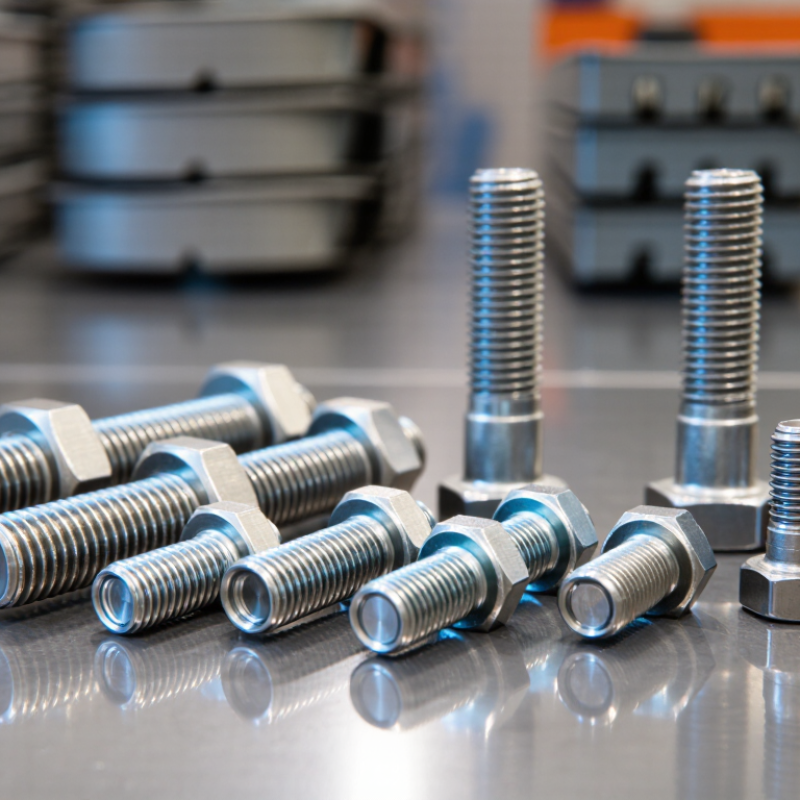
ISO 4014 is a useful reference when assessing hex bolt suppliers in China. It defines dimensions and tolerances for hexagon head bolts, including head size, thread length, and shank dimensions. These details help buyers compare samples against drawings rather than relying on appearance alone. A bolt may look right on a workbench and still miss a required measurement.
Tips: Check the standard edition, nominal diameter, length, and thread specification. Measure sample bolts with suitable gauges or calipers, and request inspection records for critical dimensions.
ISO 4014 does not, by itself, settle every purchasing detail. Material grade, mechanical properties, coating, and testing requirements may rely on other specifications or purchase documents. State these separately when requesting quotations. Ask suppliers to identify the applicable standard and confirm how they inspect tolerances. A drawing can seem complete while leaving an important finish or test requirement unstated. That is easy to overlook, even with experienced purchasing teams. Before approving production, compare the sample, drawing, and written specification side by side.
304 stainless steel typically contains 18–20% chromium, which helps resist corrosion and maintain a clean surface. 316 usually contains 16–18% chromium and 2–3% molybdenum. That molybdenum improves resistance to pitting in chloride-rich conditions. Salt spray, coastal air, and some cleaning chemicals can make the difference important. Chloride matters. Still, neither grade is immune to corrosion, especially when moisture and dirt collect beneath a washer.
When comparing hex bolt suppliers, ask for material certificates tied to the production lot. Check that the stated grade matches the paperwork, and confirm thread dimensions and surface condition. Details matter. A bolt used indoors may not need the same resistance as one exposed to seawater or de-icing salt. Choosing 316 everywhere can raise costs without solving poor drainage or unsuitable installation. Choosing 304 for a harsh environment can also lead to early staining or pitting. It is an easy trade-off to oversimplify. Consider the actual exposure, contact with dissimilar metals, and maintenance routine before specifying a grade. For stainless fasteners, careful tightening also matters because threads can gall; suitable installation practice is part of a reliable supply decision.
| Comparison Point | 304 Stainless Steel Hex Bolts | 316 Stainless Steel Hex Bolts | Supplier Verification Check |
|---|---|---|---|
| Chromium content | Typically 18.0–20.0% under common ASTM A240 composition limits. | Typically 16.0–18.0% under common ASTM A240 composition limits. | Request a material test certificate and check that its specification and grade match the purchase order. |
| Molybdenum content | No intentional molybdenum addition is specified for standard 304. | Typically 2.0–3.0%; molybdenum improves resistance to pitting and crevice corrosion in chloride environments. | Confirm the chemical analysis on the certificate; do not rely on a grade label alone. |
| Nickel content | Typically 8.0–10.5% under common ASTM A240 composition limits. | Typically 10.0–14.0% under common ASTM A240 composition limits. | Check the applicable product specification, since composition limits can vary by standard and product form. |
| General corrosion resistance | Good resistance in many indoor, atmospheric, and mildly corrosive environments. | Generally better than 304 in many chloride-bearing environments, though it is not immune to corrosion. | Provide the supplier with the actual service environment, including chemicals, temperature, and cleaning agents. |
| Chloride exposure | More susceptible to pitting and crevice corrosion in chloride-rich conditions than 316. | Usually the preferred option of these two grades for seawater splash, coastal exposure, and chloride-containing process conditions. | For severe exposure, obtain an application-specific corrosion assessment rather than treating either grade as universally suitable. |
| Typical application fit | Commonly used for general construction, equipment, and indoor or mildly corrosive applications. | Commonly selected for marine hardware, chemical-processing equipment, and other applications with greater chloride exposure. | Ask for written confirmation that the offered grade is suitable for the intended environment. |
| Relative material cost | Often less expensive than 316, but actual pricing depends on market conditions, dimensions, finish, and order quantity. | Often more expensive than 304 because of its alloy content; the price difference varies over time. | Compare quotations for the same bolt dimensions, specification, finish, quantity, and documentation. |
| Magnetic response | Usually non-magnetic in the annealed condition; cold working can cause some magnetic response. | Usually non-magnetic in the annealed condition; cold working can cause some magnetic response. | Do not use a magnet test alone to identify or certify the stainless-steel grade. |
| Hex bolt dimensions and tolerances | Grade alone does not define head dimensions, thread series, length, or tolerances; these depend on the ordered product standard and size. | Specify the applicable dimensional standard, nominal diameter, thread pitch, length, and tolerances in the order. | |
| Traceability and quality documents | Composition and mechanical requirements depend on the specified fastener standard, product form, and condition. | Request traceable material certificates and confirm that the fastener standard, grade, lot identification, and inspection documents match the order. | |
Composition ranges above are commonly specified for the listed grades under ASTM A240. Fastener requirements may be governed by a different product standard; verify the exact standard and certificate for the bolts being purchased.
When comparing China’s stainless steel hex bolt suppliers, check the grade behind the product listing. ISO 3506-1:2020 sets a minimum tensile strength of 700 MPa for A2-70 fasteners. The “70” indicates the strength class; it is not a guarantee that every bolt in a shipment has been tested individually. Ask for lot-specific inspection records and traceable material documentation.
A capable supplier should explain how it verifies tensile properties, dimensions, thread fit, and surface condition. Request samples from the same production process used for the quoted order. Inspect the head markings and threads under good light; rough crests or inconsistent dimensions can complicate assembly. A2 stainless steel suits many general environments, but chloride exposure may call for a more careful material review.
One detail is easy to miss. A 700 MPa tensile-strength minimum is not a tightening target or an allowable working load. Buyers should also check the relevant proof-load data, bolt dimensions, and installation conditions. Compare suppliers on evidence and consistency, not just price. Even a complete-looking certificate deserves a quick check against the order’s grade and batch.
For China’s stainless steel hex bolt suppliers, screen evidence before comparing price. Ask for batch-linked mill test certificates showing grade, chemical composition, and mechanical results. Check the stated test method against the order specification, such as ISO 3506-1 or ASTM F593. A certificate without a matching heat or lot number is weak evidence. Request sample reports from recent production, not only a blank template.
The International Stainless Steel Forum’s Stainless Steel in Figures 2024 reports 58.4 million tonnes of global stainless steel production in 2023, up 4.6% from 2022. That market figure does not prove any supplier’s quality; it does show why capacity claims need checking. Compare minimum order quantity by grade, size, and finish, then confirm whether quoted lead time covers production, inspection, and packing. Ask for dated schedules and written notice of delays. Small orders matter. Traceability should connect bolt markings, carton labels, test documents, and purchase records. Where markings are impractical, agree on lot-level packaging records. A spreadsheet alone can still mislead. I would verify one shipment end to end before relying on a supplier’s full traceability system.
Illustrative screening scores only—not verified data or a supplier ranking. Score each criterion from 0 (not demonstrated) to 5 (well documented) using current test reports, written MOQ and lead-time quotes, and traceability records.
Before shortlisting, request material test certificates for the quoted grade and batch, confirm MOQ and delivery dates in writing, and check that lot identification can be traced through production and shipping records. Replace these sample scores with evidence collected during your own RFQ process.
Choosing among China’s top stainless steel hex bolt suppliers takes more than comparing unit prices. Check whether stated capacity matches actual production equipment, staffing, and delivery records. A useful factory review traces one order from wire preparation to heading, threading, finishing, and packing. Ask for recent production schedules and inspect sample bolts with thread gauges and calipers. Details matter.
Quality systems should be visible in records, not just a certificate on a wall. Request material test reports, dimensional inspection results, and documented checks for the specified stainless steel grade. Confirm how the supplier handles nonconforming batches and repeat orders. A sample can look perfect while bulk consistency remains uncertain. That gap deserves attention.
Export reach is practical, not merely a list of destinations. Review packaging against moisture exposure, carton labeling, shipping terms, and the supplier’s ability to provide clear export documents. Ask for realistic lead times, including peak-season delays, and confirm who coordinates freight. Capacity alone proves little. Even a careful evaluation has limits: a factory visit captures one moment, so verify performance through records and a small trial order before scaling up.
It defines dimensions and tolerances, including head size, thread length, and shank dimensions. A bolt can look right and still measure incorrectly. Check the standard edition, diameter, length, and thread specification.
Compare it with the drawing and written specification. Use suitable gauges or calipers for critical measurements. Keep inspection records. Small differences matter.
Not by itself. Material grade, mechanical properties, coating, and testing may need separate specifications. State these requirements clearly when requesting a quotation; a complete-looking drawing can still leave gaps.
304 typically contains 18–20% chromium. 316 usually contains 16–18% chromium and 2–3% molybdenum, which improves resistance to pitting in chloride-rich conditions. Chloride matters.
316 may suit exposure to coastal air, seawater, or de-icing salt. Neither grade is immune to corrosion. Dirt and moisture beneath a washer can still cause problems.
Ask for material certificates linked to the production lot, showing grade, chemical composition, and mechanical results. Match lot numbers across documents and packaging. I would not trust a neat certificate alone.
Compare minimum order quantities by grade, size, and finish. Confirm whether lead times include production, inspection, and packing. Request dated schedules and written notice of delays.
Bolt markings, carton labels, test documents, and purchase records should connect to the same lot. If markings are impractical, agree on lot-level packaging records. Verify one shipment end to end; a spreadsheet alone can mislead.
Yes. Careful tightening and suitable installation practices can reduce thread galling. The right material choice is only part of a reliable supply decision.
Choosing among China’s top 10 stainless steel hex bolt suppliers starts with understanding the standards behind the product. ISO 4014 defines key dimensions and tolerances for hex bolts, while material selection affects corrosion resistance: 304 stainless steel typically contains 18–20% chromium, and 316 includes 2–3% molybdenum. For strength requirements, ISO 3506-1:2020 specifies a minimum tensile strength of 700 MPa for A2-70 fasteners. These fundamentals help buyers determine whether Stainless Steel Hex Bolts suit their application and technical requirements.
A careful supplier comparison should go beyond price. Review material and mechanical test reports, minimum order quantities, production lead times, and traceability practices. Also assess manufacturing capacity, quality management systems, and experience serving export markets. A consistent evaluation of these factors can help buyers identify suppliers that offer dependable product quality, clear documentation, and production capabilities aligned with their project needs.