
Choosing Stainless Steel Allen Bolts is not just a matter of picking a polished head from a catalog. The right choice depends on load, exposure, mating materials, and available tool clearance. A bolt fitted beneath a machine guard may face vibration and limited access. One used outdoors may encounter salt spray, standing water, or cleaning chemicals. Small details matter. Grade, thread size, length, and socket depth all affect fit and service life.
Bolted-joint authority John H. Bickford’s work offers a useful principle, paraphrased here: “Select the fastener for the joint, not for appearance alone.” That distinction guides this overview. It will explain how common stainless grades, including 304 and 316, differ in typical environments, while noting that exact properties depend on the product specification. It will also cover strength, thread engagement, head clearance, and corrosion risks. Stainless steel is not immune to corrosion, and two stainless parts can seize during tightening. Fit matters, too. A generic torque value may be misleading because friction changes with finish, lubrication, and assembly conditions.
There is no single best bolt for every project. That is easy to overlook when the parts look nearly identical. The sections ahead provide practical checks for comparing specifications and asking suppliers clear questions. Where a manufacturer’s data sheet or engineering review is needed, appearance alone is not enough.
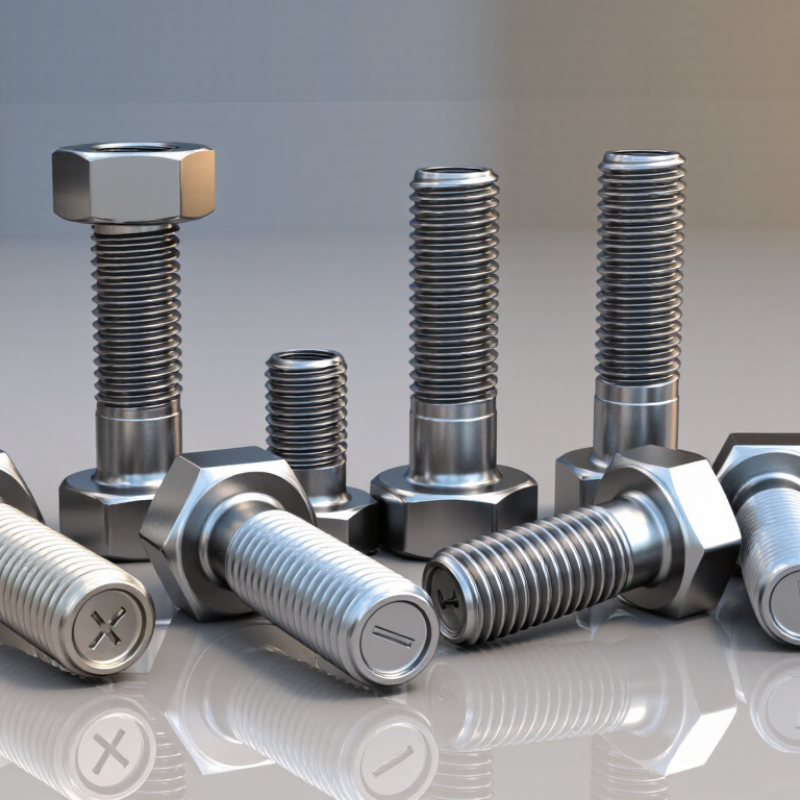
Match the bolt to the joint, not just the socket. Check whether it will carry tension, shear, or repeated vibration, and allow for peak loads rather than average ones. A stainless-steel designation alone does not tell you the bolt’s full strength; verify its grade and mechanical data.
Also check thread engagement and the material being fastened. Thin sheet or soft aluminum may fail before the bolt does.
Small details matter.
Then assess the environment. Salt spray, cleaning chemicals, moisture trapped in a joint, and high temperatures can all affect performance. “Stainless” does not mean immune to corrosion. I would not assume a bolt is suitable just because it looks clean after installation; crevices can hide early damage.
Consider whether dissimilar metals could cause galvanic corrosion, especially in wet conditions. Not always easy to spot.
Tightening also matters: friction and lubrication change the relationship between torque and clamp force, so follow applicable specifications rather than guessing.
For a safety-critical assembly, have the load and material choice reviewed by a qualified engineer.
When choosing stainless steel Allen bolts, begin with the environment, not the bolt size. Indoor machinery with limited moisture often suits grade 304. It offers reliable corrosion resistance for general assembly work. Clean surfaces still matter.
Coastal equipment, food-processing areas, and chemical washdown zones need closer attention. Salt and chlorides can attack grade 304, especially inside threads or under bolt heads. Grade 316 usually performs better in these conditions because molybdenum improves resistance to pitting. It is not immune. Concentrated chemicals and trapped moisture can still cause damage. In field inspections, I check water paths, drainage, and nearby dissimilar metals before approving a grade.
The choice is not perfectly tidy.
Grade 410 can provide higher hardness, but its corrosion resistance is generally lower than 304 or 316. Use it only when strength and wear resistance outweigh exposure risks. Also consider the matching nut and washer. A resistant bolt can still fail beside a weaker component. Installation affects service life too. Over-tightening may damage threads and remove protective surface films. Keep contact areas clean and dry. This detail matters. Certificates confirming the steel grade improve traceability, but they do not replace practical site assessment. A small design assumption can become an expensive maintenance problem.
Choosing the correct diameter starts with the joint, not the wrench. Measure the clearance hole and check the material thickness before selecting a bolt. The bolt should pass freely through the first part while its threads engage the tapped part or nut. Too much clearance can allow movement; too little can make assembly frustrating. Measure twice. For a tapped hole, confirm the thread diameter and pitch with a gauge or a known matching screw. A metric M6 × 1 thread, for example, has a 6 mm nominal diameter and a 1 mm pitch.
Length depends on the head style and what the bolt must grip. For most socket head Allen bolts, measure from beneath the head to the tip. Countersunk bolts are measured from the top of the head. Add the thickness of washers and clamped parts, then allow enough thread engagement for a secure joint. Avoid choosing a bolt so long that it bottoms out in a blind hole before clamping the parts. That mistake is easy to miss.
Check the full thread specification, not just the diameter. Coarse and fine pitches are not interchangeable, even when their threads appear similar. Stainless steel can also gall during tightening, especially when mating stainless parts are dry. Use controlled hand pressure and follow the equipment maker’s torque guidance where available. In my experience, fit is often checked late, when the parts are already on the bench. A quick test with a sample bolt can still prevent a poor match. Small details matter.
Determine the bolt diameter, length, and thread specifications by matching the joint load, clamped material thickness, and required thread engagement. The chart compares common ISO metric coarse-thread sizes using their standardized tensile stress areas.
| Nominal Diameter | Coarse Pitch | Tensile Stress Area | Typical Use Consideration |
|---|---|---|---|
| M4 | 0.70 mm | 8.78 mm² | Light-duty assemblies |
| M5 | 0.80 mm | 14.2 mm² | Small brackets and panels |
| M6 | 1.00 mm | 20.1 mm² | General-purpose fastening |
| M8 | 1.25 mm | 36.6 mm² | Medium-load structural joints |
| M10 | 1.50 mm | 58.0 mm² | Higher-load connections |
| M12 | 1.75 mm | 84.3 mm² | Heavy-duty joints |
Diameter: Select a larger diameter when the joint carries greater tensile or shear loads, or when the clamped parts require greater stiffness.
Length: Choose a length that covers the joint grip, washers, and nut while providing sufficient thread engagement. For a tapped hole, approximately one bolt diameter of engagement is a common starting point, subject to material strength and engineering verification.
Thread: Metric coarse threads provide the standard starting choice for general applications. Confirm the pitch, internal thread condition, washer size, clearance-hole diameter, and stainless-steel grade before installation.
The head style determines clearance, seating, and tool access. Socket-head cap screws suit tight spaces where a taller cylindrical head is acceptable. Button heads have a lower, rounded profile, while flat countersunk heads sit flush in a matching countersink. Check the drawing or mating surface before ordering; a flush head cannot seat correctly in a plain, flat hole.
Match the hex key to the specified drive, not just the bolt’s outside diameter. ISO 4762’s dimensional table lists a 5 mm hex socket for an M6 socket-head cap screw and 6 mm for M8. Other head styles follow different dimensions, so that chart is not universal. ASME B18.3 provides dimensional requirements for inch-series socket screws. A mismatch can round the socket, especially when a key is worn or the fastener is difficult to reach. Standard tables help, but mixed metric and inch hardware can still trip up a careful buyer.
Choosing stainless steel Allen bolts starts with the correct standard. Check the engineering drawing, thread form, diameter, length, and head dimensions. ISO 4762 is commonly used for hexagon socket head screws, but the required standard may differ by application. Confirm the stainless grade, such as A2 or A4, and review its corrosion and strength requirements. Do not rely on appearance alone. Two bright bolts can perform very differently in salt spray, heat, or vibration.
Fit matters as much as material. Measure the mating hole and confirm the thread pitch before ordering. The bolt should engage deeply without bottoming inside a blind hole. Leave enough clearance for the Allen key, especially near walls or recessed panels. Threads should start smoothly by hand. Never force a bolt with a wrench. Stainless threads can gall under pressure. I have seen a clean-looking assembly seize because the installer skipped this small check. The lesson is uncomfortable but useful.
Installation requirements should be written down, not guessed. Use the specified torque and a calibrated wrench when the joint carries a load. Keep threads clean, and select a compatible lubricant if the design allows it. Lubrication changes clamping force, so the torque value may need adjustment. Tighten gradually and inspect the socket for tool damage. A perfect fit on paper can still fail during assembly. Recheck the joint after testing, because vibration, temperature, and uneven surfaces may reveal problems hidden during the first installation.
Grade 304 often works for indoor machinery with limited moisture. Keep the surfaces clean.
Consider grade 316 around salt, chlorides, or frequent washdowns. Molybdenum improves pitting resistance, but the grade is not immune.
No. It can offer greater hardness, but generally resists corrosion less effectively than grades 304 and 316.
Check the matching nut and washer, nearby metals, drainage, and places where moisture can collect. A stronger bolt cannot protect weaker parts.
Measure the clearance hole and material thickness. Match both thread diameter and pitch; similar-looking threads may not fit.
For most socket-head bolts, measure from beneath the head to the tip. Include washers and joined parts, and check blind holes carefully. Measure twice.
Not always. A bolt may bottom out in a blind hole before clamping the parts. I have seen fit checked too late; it is worth checking earlier.
Use controlled hand pressure and follow available torque guidance. Dry stainless threads may gall, and over-tightening can damage threads or surface films.
Check the drawing and available clearance. Socket, button, and countersunk heads seat differently. Test that the key fits fully. Small details matter.
Choosing the right Stainless Steel Allen Bolts begins with understanding the application, expected loads, and surrounding conditions. Consider whether the bolts will face moisture, chemicals, heat, vibration, or outdoor exposure, since these factors affect both strength and corrosion resistance. Select a suitable stainless steel grade based on the environment, while ensuring that its mechanical performance matches the required clamping force and service demands.
Next, determine the correct bolt diameter, length, thread type, and pitch for the materials being joined. The Allen head style and drive size should provide sufficient access and torque without damaging the recess during installation. Finally, verify that the bolts meet the relevant dimensional and quality standards, fit the mating components properly, and can be installed with the required tools and torque. Careful selection improves reliability, prevents premature failure, and supports safe, long-term performance.