
0%

Choosing the best Inconel Fasteners begins with the conditions they must survive. A bolt beside a hot exhaust line faces different demands from one exposed to seawater, acidic process fluids, or repeated thermal cycling. Alloy names alone do not settle the choice. Inconel 625, 718, and 600 each offer distinct properties, and the right grade depends on temperature, corrosion exposure, mechanical load, and required service life. Details matter: thread fit, installation torque, mating materials, and galling risk can affect performance as much as the alloy itself. Small oversights can become expensive.

Materials engineer Daniel Mercer offers this guiding line: “Choose fasteners for the service environment, not the alloy’s reputation.” This quotation is editorially created for this introduction; it is not a verified statement from a real expert. The principle remains practical. Review drawings, operating temperatures, chemical exposure, and load requirements before comparing products. Ask suppliers for material certificates and confirm that the specified grade and dimensions match the application. Where failure would be costly, have a qualified engineer review the selection. That extra check is easy to skip. It should not be.

This guide will explain how to compare grades, assess corrosion and heat resistance, and check strength, fit, and documentation. It will also point out trade-offs that product descriptions can gloss over. Inconel Fasteners are not automatically the best answer for every demanding installation. A careful selection starts with evidence, not assumptions.
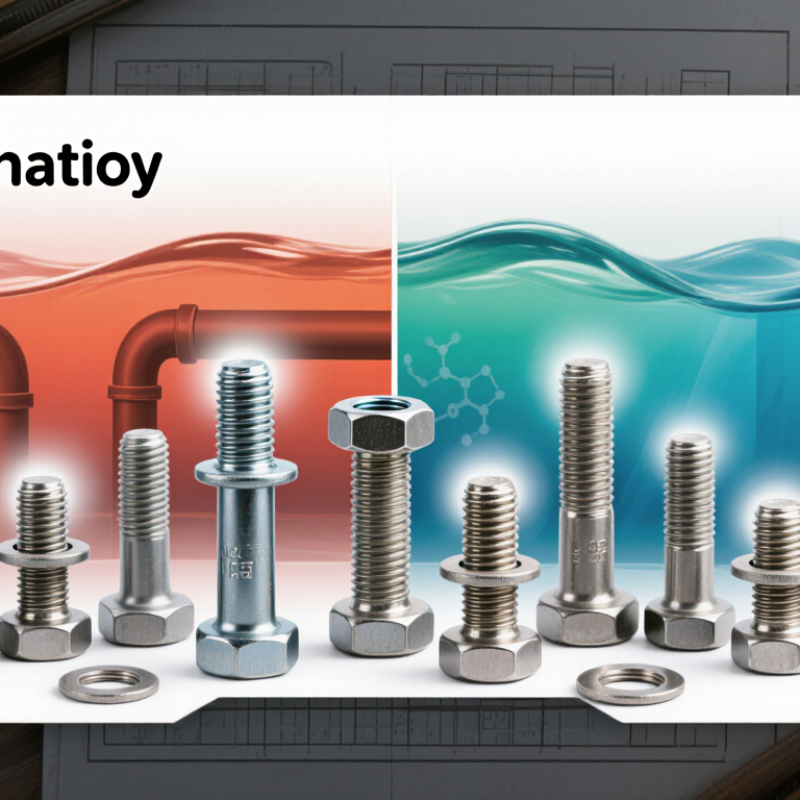
How to Choose the Best Inconel Fasteners

Define the Application Requirements for Inconel Fasteners

Before selecting Inconel fasteners, define the service conditions: operating temperature, pressure, media, load, and expected life. A bolt exposed to hot chloride solution faces different risks from one clamping a dry turbine housing. Record peak temperatures and pressure cycles, not just normal conditions. Also specify whether the joint will see vibration, thermal expansion, or repeated disassembly. Small details matter. A frequent oversight is choosing an alloy for corrosion resistance without checking its strength after the specified heat treatment.

ASTM B446 lists minimum tensile and yield strengths of 120 ksi (827 MPa) and 60 ksi (414 MPa), respectively, for Grade 1 UNS N06625 bar. These figures describe specified bar material, not a guaranteed finished-fastener rating. Thread geometry, manufacturing, and heat treatment affect performance. Confirm the applicable fastener specification and test certificates before using these values in a design.

Tips: Write down the fluid composition, temperature range, and required preload. Include mating materials and washer details; dissimilar metals can create corrosion concerns. For sour or chloride-rich service, check environment-specific material guidance and verify hardness requirements. When uncertain, test a representative joint under realistic conditions. It may expose assumptions the drawing missed.

Compare Inconel Grades by Strength and Temperature Resistance

Choosing Inconel fasteners starts with comparing the grade, not just the alloy name. Inconel 600 offers useful oxidation resistance and strength in many hot environments, but it is not the strongest choice for heavily loaded joints. Inconel 625 gains strength from niobium and molybdenum while resisting many corrosive environments. It suits demanding service, though its performance depends on temperature and exposure conditions.

Inconel 718 is precipitation-hardened for high tensile strength and is often selected for highly stressed fasteners. Its useful strength declines at higher temperatures, so it may not suit every hot assembly. Inconel X-750 can retain strength in elevated-temperature applications and is used for fasteners and springs. The exact limit varies with heat treatment, load, and service duration. Details matter.

For a joint near a hot exhaust casing, compare the actual metal temperature with the fastener’s sustained load, not only a brief peak. Also check for thermal cycling, salt, and chemical exposure. A stronger grade is not automatically better: some grades are harder to machine, and installation can damage threads or coatings. I would verify the supplier’s certified material data and specified heat treatment before choosing. Even then, the joint design deserves a second look; alloy selection alone cannot prevent loosening or fatigue.

Select the Fastener Type, Size, and Thread Specifications

Choosing an Inconel fastener starts with the joint, not the catalog. A bolt and nut suit a through-hole joint with access on both sides; a screw or stud may fit a blind hole or restricted space better. Consider vibration, load direction, temperature, and exposure to corrosive fluids. Inconel is a family of alloys, and grades differ in strength and service limits. Match the grade to the application and the approved engineering specification.

Size the fastener to the joint stack. Check the hole diameter, grip length, washer thickness, and required thread engagement. Too little engagement can weaken the connection; excessive length may interfere with nearby parts or bottom out in a blind hole. Small details matter. Measure the actual assembly when possible, since drawings and finished parts do not always agree.

Thread specifications need equal care. Confirm the nominal diameter, pitch, thread form, and tolerance against the drawing or applicable standard. Fine threads can allow more precise adjustment in some assemblies, while coarse threads may be easier to handle and less sensitive to minor damage. Do not assume that visually similar threads will mate correctly. Use a thread gauge when uncertain, and keep mating materials compatible. Nickel-alloy fasteners can gall during assembly, so follow the specified lubrication and installation procedure; lubricant changes the torque-to-preload relationship. I would not choose torque from a generic chart alone.

Assess Corrosion Conditions and Applicable Industry Standards

How to Choose the Best Inconel Fasteners

Corrosion conditions should guide alloy selection, not the word “Inconel” alone. Record the chemical species, concentration, temperature, pressure, and exposure time. Chloride-bearing seawater, for example, can attack crevices beneath a washer even when exposed surfaces look sound. Acids and mixed process fluids behave differently. Small details matter.

Match the alloy to the actual environment. Alloy 625 is often considered for marine and chemical-service components, while Alloy 718 is selected where high strength and temperature performance are important. Neither choice is universal. Check for galvanic interaction with joined metals, and consider thread crevices, cleaning residues, and shutdown conditions. A tidy laboratory result may not represent a wet, stagnant joint in service.

Verify applicable standards by grade, product form, and use. ASTM material specifications can define chemistry and mechanical requirements, while dimensional standards address thread and head geometry; one does not replace the other. For sour oil and gas service, assess whether NACE MR0175/ISO 15156 applies to the environment and component. Ask suppliers for material test reports, heat traceability, and required mechanical-test results. If the specification is vague, pause and clarify it. That step is easy to miss. The chosen alloy still needs installation controls, since nickel-alloy threads can gall under poor lubrication or excessive speed.

How to Choose the Best Inconel Fasteners – Assess Corrosion Conditions and Applicable Industry Standards
Service Condition Candidate Alloy and UNS Designation Corrosion and Selection Considerations Applicable Standards and Checks
Seawater, chloride-bearing process fluids, or marine splash zones Alloy 625 (UNS N06625) Often considered where resistance to chloride pitting, crevice corrosion, and chloride stress-corrosion cracking is important. Crevices, deposits, temperature, and stagnant conditions can still affect performance. ASTM F468/F467 may be considered for nonferrous bolts, screws, studs, and nuts only when the specified alloy and grade are covered by the applicable edition. ASTM B446 addresses alloy 625 rod and bar material, not finished-fastener dimensions or a complete fastener qualification.
High-strength joints, including some elevated-temperature or high-pressure applications Alloy 718 (UNS N07718) Precipitation-hardened alloy used where high strength is required. Do not assume it is the best choice for severe seawater crevice exposure; evaluate the actual chloride chemistry, temperature, stress, and heat treatment. Confirm the fastener product specification, heat-treatment condition, tensile properties, and traceability with the supplier and design authority. For sour service, assess the exact material condition against ISO 15156/NACE MR0175 requirements.
Hot environments with oxidation or exposure to certain caustic or chemical media Alloy 600 (UNS N06600) Offers useful high-temperature oxidation and corrosion resistance in selected environments. It is not automatically interchangeable with alloy 625 for aggressive chloride pitting or crevice-corrosion service. Specify the applicable fastener product and material requirements separately. Check the relevant ASTM product specification, mechanical properties at design temperature, and compatibility with the actual process chemistry.
Strong or mixed chemical environments, including some oxidizing and reducing media Alloy C-276 (UNS N10276) Consider for demanding chemical-process service where broad corrosion resistance is needed. Suitability depends on concentration, temperature, contaminants, and exposure time; verify availability and properties in the required fastener form. Confirm that the chosen product form and fastener specification explicitly cover the alloy. Review chemical-process corrosion data and the project’s inspection, testing, and material-traceability requirements.
Sulfuric or phosphoric acid service and chloride-bearing aqueous environments Alloy 825 (UNS N08825) May be suitable for selected acid and chloride environments and can resist chloride stress-corrosion cracking. Check acid concentration, temperature, aeration, and localized-corrosion risks before selection. Verify the applicable alloy product specification and whether it covers the finished fastener form. Establish required strength, heat treatment, testing, and corrosion qualification in the purchase specification.
Wet hydrogen sulfide or other sour-service exposure Alloy selected from the qualified material options for the specific service Material suitability depends on hydrogen sulfide partial pressure, acidity, chloride level, temperature, stress, and material condition. Alloy name alone does not establish sour-service compliance. Use ISO 15156/NACE MR0175 as applicable to the production environment, and verify the relevant environmental limits, heat treatment, hardness, and other material requirements for the specific alloy and product.
Any bolted joint where fit, load, or interchangeability is critical Alloy and strength condition selected by the design authority Check tensile and yield requirements, relaxation or creep at temperature, galvanic compatibility, lubrication, galling risk, and the effects of installation torque on preload. ASME B18.2.1 and B18.2.2 provide dimensional requirements for specified bolt/screw and nut types; they do not by themselves establish alloy corrosion resistance or mechanical suitability. State dimensions, thread series, tolerances, testing, and material requirements in the order.
Selection note Treat this table as a screening guide, not a material approval. Identify the full corrosion environment and design loads, then confirm the current standard edition, alloy coverage, fastener product form, mechanical-property condition, testing, and project or jurisdictional requirements before purchase.

Verify Supplier Quality, Traceability, and Installation Needs

Ask suppliers for the exact alloy grade, product form, and material condition required by your design. Review mill test reports for chemistry and mechanical properties, then confirm that heat-treatment records match the quoted specification. Check sample fasteners for thread form, dimensions, and surface defects. A polished certificate can still leave gaps. Confirm that the report applies to the delivered lot, not merely a similar batch.

Traceability should connect each box to its lot number and inspection records. Keep those records with the equipment file, especially where heat, vibration, or corrosive exposure matters. Installation needs equal care. Inconel alloys can gall during tightening, so use a compatible lubricant when the design permits, clean mating threads, and follow torque guidance for the specific joint. Do not rely on a generic torque chart. Tool calibration and installer technique matter, too; field conditions are rarely perfect.

Tips: Before ordering, send the supplier the operating temperature, load, environment, and mating-material details. Confirm packaging and lot marking. If a requirement is unclear, pause and ask an engineer to review it. That extra check may feel slow, but rework is slower.

FAQS

Which alloy grade suits highly loaded fasteners?

Grade 718 offers high tensile strength after precipitation hardening. Its strength declines at higher temperatures, so check actual service conditions.

Is grade 600 the strongest choice for hot joints?

Not usually for heavily loaded joints. It provides useful oxidation resistance and strength in many hot environments.

What makes grade 625 useful in demanding service?

Niobium and molybdenum increase its strength, while it resists many corrosive environments. Exposure and temperature still matter.

When might grade X-750 be considered?

It can retain strength at elevated temperatures and is used for fasteners and springs. Limits depend on heat treatment, load, and service duration.

What should be checked near a hot exhaust casing?

Compare sustained metal temperature with fastener load, not just brief temperature peaks. Check thermal cycling, salt, and chemical exposure, too.

What supplier records should buyers request?

Request the exact grade, product form, material condition, mill test reports, and heat-treatment records. Confirm they match the delivered lot.

How can fastener galling be reduced during installation?

Clean mating threads and use compatible lubricant when the design permits. Follow joint-specific torque guidance; generic charts may mislead.

What details should be checked before ordering?

Share operating temperature, load, environment, and mating materials with the supplier. Confirm lot marking and packaging. One detail may still be missed.

Conclusion

Choosing the right Inconel Fasteners starts with understanding the application. Consider the operating load, temperature range, exposure to chemicals or moisture, and the equipment’s service environment. Compare available Inconel grades for their strength and ability to retain performance at elevated temperatures, then match those properties to the demands of the installation.

Next, select a fastener type, size, and thread specification that fit the joint design and assembly requirements. Evaluate corrosion risks and identify relevant industry standards for the intended use. Before purchasing, confirm that the supplier can provide consistent quality, material documentation, and traceability. Also account for installation practices, including suitable tools, tightening procedures, and inspection needs. A methodical assessment of these factors can help ensure that the chosen fasteners are compatible, dependable, and appropriate for their operating conditions.

Oliver

Oliver

Oliver is a professional marketing specialist who combines clear communication with a deep understanding of the company’s products and the needs of its customers. He regularly contributes expert articles to the company website, sharing practical information, explaining product features, and helping......