
Featured Anti-Vibration Fasteners & Structural Locking Washers
Explore our certified product portfolio engineered for extreme dynamic loads, high-vibration machinery, and corrosive industrial environments.
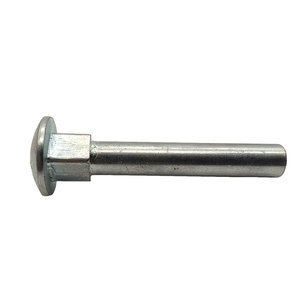
Custom Size Non-Standard Fasteners Carbon Steel Special Shape Bolts with Black Finish Jinggong Brand for Automotive Construction
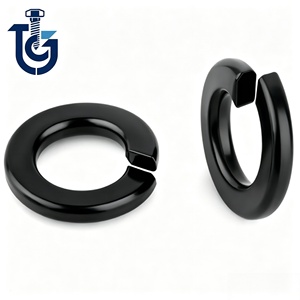
DIN127 Carbon Steel Spring Lock Washer Metric Split Lock Washer M2-M16 Multi Surface Finish For Industrial Hardware Fastening
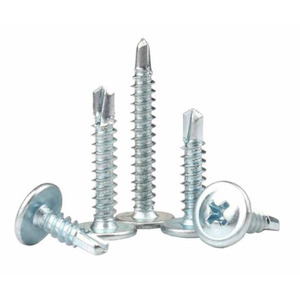
Ss304 Stainless Steel Driver Zinc Plated Phillips Modified Truss Head Galvanized Self Drilling Screws
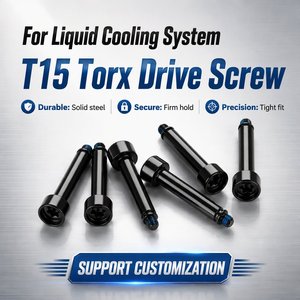
Durable JIS Torx Head Steel Screws Bolts Nickel/Black/Galvanized/Zinc Coated Class 6 Grade Metric Thread For Packaging Machinery
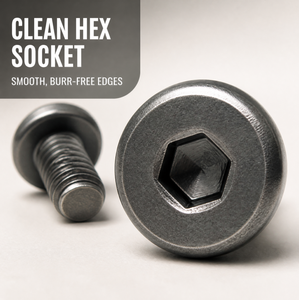
Stainless Steel M2.5 M3.5 Dark Coated Threaded Socket Head Screw Hex Head Allen Key Drive Flat End General Industrial Hardware
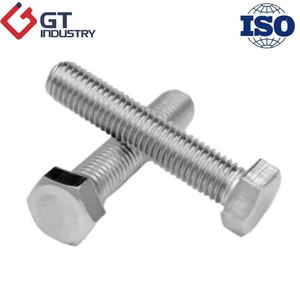
Hot Sale DIN933 Full Thread Hexagon Head Bolt Inconel 600 601 625 Inconel X750 718 725 Metric M10 M12 M16 Hex Screws
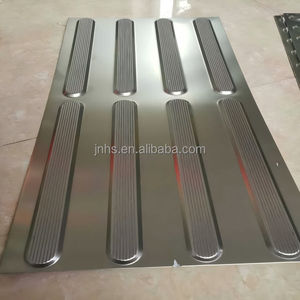
Free Sample Stainless Steel 304/316 Tactile Indicator Studs For Directional Tactile Paving ISO9001 Certified 5 Year Warranty
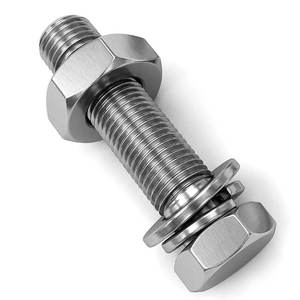
Custom Nickel Alloy Bolts And Nuts Inconel 625 718 Stud Bolts High Temperature Fasteners
The Mechanics of Self-Locking Wedge Washers
Understanding tension-based anti-loosening over friction-based locking systems for extreme dynamic loads and severe operational environments.
The Cam Locking Geometry
Unlike standard split spring lock washers (DIN 127) that rely solely on friction, wedge locking washers utilize a pair of inter-locking cams. The cam angle (α) on the inner mating faces is engineered to be strictly greater than the thread pitch angle (β) of the bolt. When dynamic movement attempts to back out the fastener, the internal cams force an expansion, increasing clamp load and creating an irreversible mechanical wedge lock.
Radial Teeth Surface Grip
The exterior surfaces of the washer pair feature sharp radial teeth. During tightening, these teeth embed directly into the contact surface of the bolt head/nut and the joint substrate. This ensures that movement occurs exclusively between the internal cam surfaces, effectively eliminating self-loosening caused by vibration, transverse movement, or thermal expansion cycles.
Junker Test (DIN 65151) Verification
In rigorous Junker dynamic transverse vibration testing, traditional spring washers, nylon insert nuts, and serrated washers rapidly lose pre-load within seconds. Engineered wedge locking washers retain over 90% of their initial pre-load even under continuous 3,000-cycle transverse vibration, making them the preferred standard for aerospace, wind power, and high-speed rail applications.
Information Gain: Anti-Loosening Technology Comparison Matrix
Procurement and structural engineers must evaluate how wedge locking washers perform against conventional securing hardware under heavy shock and vibration environments:
| Fastener Locking Method | Locking Mechanism | Vibration Resistance (DIN 65151) | Reusability | Temperature Limitation | Lubrication Compatibility |
|---|---|---|---|---|---|
| Wedge Lock Washers (Pairs) | Tension (Cam Angle α > Thread Pitch β) | Superior (>90% Preload Retained) | Multiple Times | Up to 500°C (Alloy dependent) | Fully Compatible |
| DIN 127 Split Spring Washers | Friction & Edge Bite | Poor (Fails rapidly under load) | Single Use | Up to 200°C | Reduces Locking Effect |
| Nylon Insert Lock Nuts (DIN 985) | Friction (Plastic Deformation) | Moderate (Degrades under shock) | Limited (1-2 Times) | Max 120°C (Nylon melts) | Incompatible |
| Chemical Threadlockers (Anaerobic) | Adhesive Bonding | Good (Until thermal shock) | Non-reusable (Requires heat) | Max 150°C – 180°C | Degraded by oil/grease |
| Serrated Flange Bolts / Nuts | Surface Friction Bite | Moderate | Damages Substrate | Up to 300°C | Friction dependent |
Future Procurement Trends for Industrial Fasteners in China
Analysis of manufacturing technological shifts, metallurgical innovations, and global procurement strategies shaping the hardware market over the next decade.
1. Transition to Advanced Corrosion Coatings
Global environmental regulations (RoHS & REACH) have accelerated the phasing out of electro-galvanizing and toxic hexavalent chromium plating. Top Chinese wedge lock washer factories are heavily investing in zinc flake coatings (such as Geomet, Dacromet, and Delta-Protekt). These non-electrolytic coatings eliminate hydrogen embrittlement risks while providing over 1,500 hours of continuous salt spray performance without red rust.
2. Demand for Superalloy & Duplex Materials
With aggressive expansion in offshore wind farms, hydrogen production facilities, and subsea oil & gas platforms, standard carbon steel and 304 stainless steel are no longer sufficient. Leading manufacturers are expanding stock and custom forging lines for Duplex 2205, Super Duplex 2507, Inconel 625/718, and Titanium Grade 5 wedge washers to handle severe pitting and crevice corrosion in chloride-rich environments.
3. Smart Procurement & Full Traceability
B2B buyers are demanding complete material digital footprints. Leading Chinese factories now offer full batch traceability with raw material heat numbers mapped to digital EN 10204 3.1 Mill Test Certificates. Ultrasonic preload inspection and automated optical sorting lines (100% vision sorting) ensure zero-defect delivery for automated assembly lines in automotive and heavy machinery manufacturing.
Evaluating Top Chinese Wedge Lock Washer Manufacturers
Key criteria for international procurement managers when auditing OEM factories and fastener suppliers in China.
Metallurgical Hardness Control
For a wedge lock washer to function correctly, the washer hardness must be higher than the mating fastener and joint surface (typically minimum 465 HV0.5 / ~46 HRC for carbon steel washers used with Grade 8.8, 10.9, and 12.9 bolts). Top factories utilize atmosphere-controlled continuous belt heat-treatment furnaces to guarantee uniform hardness across every production lot.
Precision Stamping & Cam Geometry
The anti-loosening effectiveness relies 100% on the precision tolerance of the internal cam angles (α). Premier factories utilize high-speed progressive tooling and Swiss-imported optical inspection systems to verify that the cam geometry, tooth height, and radial pattern conform precisely to strict engineering drawings.
Third-Party ISO & IATF Certification
A trustworthy OEM manufacturer must hold verified quality management systems, including ISO 9001:2015 for general industrial hardware and IATF 16949 for automotive-grade fasteners. Independent testing reports by international bodies such as SGS, TÜV, or Lloyd's Register serve as strong trust signals for critical infrastructure projects.
Frequently Asked Questions (FAQ)
Answers to critical technical, engineering, and procurement questions for international hardware importers and B2B buyers.
Why Partner with Chinese Fastener Manufacturers & Export Suppliers?
By leveraging advanced automated cold forging, precision progressive stamping, continuous heat-treatment furnaces, and rigorous quality control laboratories, top Chinese fastener factories deliver world-class mechanical components at highly competitive cost structures. Whether you require standard carbon steel spring washers, high-tensile Grade 10.9/12.9 bolts, custom non-standard packaging machinery screws, or extreme-service Inconel 625/718 exotic alloy stud bolts, Chinese OEM partners provide dependable international logistics, seaworthy packaging, and verified quality management trusted across 105+ countries worldwide.
Ready to Source High-Performance Anti-Vibration Fasteners?
Connect directly with our engineering team for technical specifications, custom drawing reviews, bulk WHOLESALE factory pricing, and free sample requests.