
Featured Industrial Hardware & Alloy Fasteners
Precision-machined standard and custom fasteners manufactured to ASTM, ASME, DIN, and ISO specifications for heavy industrial applications.
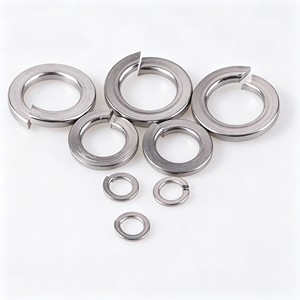
Stainless Steel GB859 Light Type Spring Lock Washer Anti Loosening Full Sizes
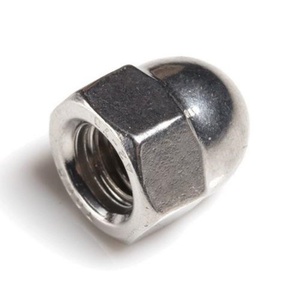
Customizable Incoloy 825 Nickel Alloy Hex Nut High Temp & Tensile Strength
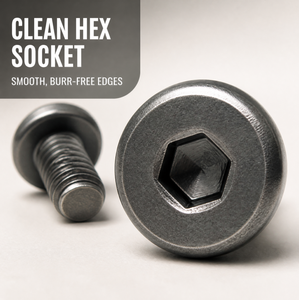
Stainless Steel M2.5/M3.5 Dark Coated Threaded Socket Head Cap Screw
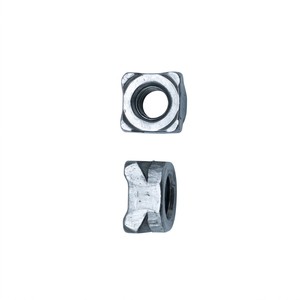
Zinc Plated Stainless Steel 304 Metric Square Weld Nut for Automotive & OEM
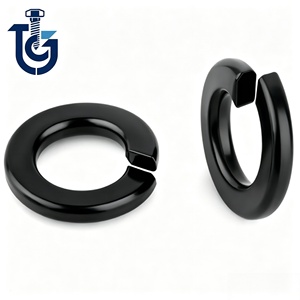
DIN127 Carbon Steel Metric Split Spring Lock Washers M2-M16 Multi-Finish
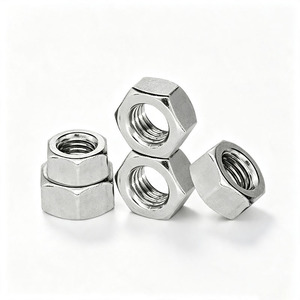
Stainless Steel Corrosion Resistant Hex Nut & Bolt Sets (M5 M6 M8 M10)
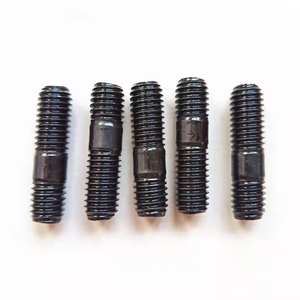
High Strength Double-End Threaded Stud Bolts, Heavy Nuts & Washers Assembly
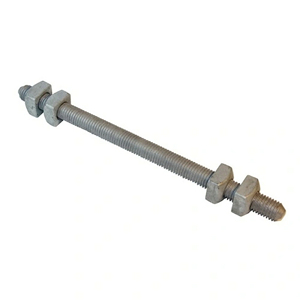
Hot Dip Galvanized (HDG) Half-Thread Double End Steel Stud & Hex Bolts
Engineering Principles of OEM/ODM Industrial Fastener Manufacturing
In modern industrial manufacturing, sub-sea extraction, aerospace structural assembly, and high-temperature chemical refining, mechanical fasteners represent critical joint integrity nodes. An OEM/ODM fastener is far more than a simple threaded bar; it is a meticulously engineered component subject to multi-axial mechanical stress, cyclic fatigue, chemical pitting, hydrogen embrittlement, and thermal expansion differentials. Selecting the appropriate manufacturing methodology and alloy grade is the primary determinant of long-term structural reliability and operational uptime.
As a global OEM/ODM manufacturer and exporter, our engineering facilities bridge the gap between standard dimensional fasteners (ASME/DIN/ISO) and complex customer-specific engineered bolting solutions. Understanding the underlying metallurgy, structural microstructures, surface engineering, and quality verification pathways is essential for EPC procurement leads, reliability engineers, and original equipment manufacturers.
Key Procurement Takeaway: Modern industrial specifications demand complete heat-number traceability, non-destructive testing (NDT), and microstructural verification to prevent catastrophic stress corrosion cracking (SCC) in high-pressure installations.
Exotic Metallurgical Matrix
Specialized forging and CNC turning across Nickel Alloys (Inconel, Hastelloy, Monel), Duplex S31803/S32750, and Grade 2/5 Titanium for corrosive media.
Custom OEM/ODM Manufacturing
Precision cold forging, hot heading, and multi-axis CNC machining based on customer mechanical drawings, custom thread pitches, and tolerance plans.
Rigorous QA & Compliance
Full verification featuring PMI chemical analysis, tensile and proof load testing, hardness testing (Rockwell/Vickers), and salt-spray coating testing.
Metallurgical Selection & Alloy Performance Matrix
Selecting the optimal fastener alloy requires matching the working environment's chemical corrosive agents, thermal exposure, and structural load constraints against the metal's yield strength and corrosion resistance index (PREN - Pitting Resistance Equivalent Number).
- Austenitic Stainless Steels (SS 304, 316, 316L, 321, 347): Offers universal atmospheric and mild acid resistance. Grade 316/316L includes 2-3% Molybdenum, rendering it highly resistant to chloride-induced pitting compared to 304.
- Duplex & Super Duplex Steels (UNS S31803 / S32205 / S32750 / S32760): Dual-phase ferritic-austenitic microstructures provide double the yield strength of standard austenitic grades along with extreme resistance to chloride stress corrosion cracking in marine and subsea oil/gas environments.
- Nickel Superalloys (Inconel 625/718, Incoloy 825, Hastelloy C276): Engineered for extreme service conditions exceeding 600°C to 1000°C. Incoloy 825 and Hastelloy C276 provide exceptional resistance to sulfuric acid, phosphoric acid, and wet chlorine gas.
- Titanium Alloys (Grade 2, Grade 5 / Ti-6Al-4V): Delivers an unmatched strength-to-weight ratio combined with total immunity to saltwater corrosion, making it critical for aerospace frame assembly and marine defense hardware.
Master Fastener Specifications & Material Technical Standards
| Material Category | Common Standard Grades | Equivalent Standards | Mechanical / Service Property | Primary Industrial Applications |
|---|---|---|---|---|
| Stainless Steel | SS 304, 304L, 316, 316L, 317L | ASTM A193 B8/B8M, A194 8/8M | Tensile: 550-750 MPa | Good Ductility | Food processing, chemical processing, architectural |
| Duplex Stainless | 2205 (S32205), 2507 (S32750) | ASTM A276, A479, DIN 1.4462 | Yield: ≥550 MPa | PREN > 42 (Super Duplex) | Offshore oil & gas, desalination plants, marine hardware |
| Incoloy / Inconel | Incoloy 825, Inconel 625, Inconel 718 | ASTM B446, B637, UNS N06625 | High Temp Strength up to 980°C | Turbine exhaust, refinery heaters, aerospace engines |
| Hastelloy | Hastelloy C276, C22, B2 | ASTM B574, UNS N10276 | Extreme Acid / Chloride Immunity | Flue gas desulfurization, chemical reactors, pickling |
| High Strength Carbon | Class 8.8, 10.9, 12.9, Grade B7/2H | ASTM A193 B7, ASTM A194 2H | Tensile: up to 1220 MPa | High Load | Heavy machinery, automotive structural, steel frames |
| Titanium Alloy | Titanium Grade 2, Grade 5 (Ti-6Al-4V) | ASTM B348, ASTM F467 / F468 | Lightweight (4.5 g/cm³) | Immunity to seawater | Aerospace structures, military marine, chemical anodes |
OEM/ODM Manufacturing Technologies & Processing Pathways
How custom industrial fasteners are formed, machined, heat treated, and surface-engineered for zero-defect performance.
Cold Heading vs. Hot Forging vs. Precision CNC Machining
The manufacturing process determines the grain structure flow within the fastener, directly impacting dynamic load capacity and fatigue limit under operational vibration.
- Cold Heading / Cold Forging: Ideal for high-volume production (M2 to M24). Wire rod is progressively compressed through carbide dies at ambient temperature. This process creates an unbroken grain flow line following the contour of the fastener head, enhancing shear and fatigue strength while eliminating material waste.
- Hot Forging / Hot Heading: Essential for large-diameter industrial bolts (M24 up to M100+) and exotic nickel alloys. Raw bar stock is induction-heated to precise forging temperatures (1000°C–1200°C) before head formation. This ensures complete deformation without internal micro-cracking in low-ductility alloys.
- Precision Multi-Axis CNC Turning: Employed for low-volume OEM prototypes, complex drawing geometries, ultra-tight tolerances (±0.005mm), and specialized thread profiles (Acme, Trapezoidal, Buttress threads).
Thread Rolling vs. Thread Cutting Metallurgical Advantage
In high-stress applications, thread rolling is superior to thread cutting. Thread rolling burnishes the material cold between rotary or flat dies, displacing metal rather than severing grain boundaries. This process yields three critical mechanical advantages:
- Increased Tensile Strength: Cold working during thread rolling increases thread root yield strength by 10% to 20%.
- Superior Surface Finish: Rolled threads feature a smooth surface finish (≤ Ra 0.8 μm), eliminating microscopic notch stress concentrations where fatigue cracks typically initiate.
- Enhanced Wear & Galling Resistance: Compressive residual stress induced at the thread root minimizes thread stripping under extreme torque loading.
Surface Coating Systems & Anti-Galling Metallurgy
Gallings and atmospheric corrosion are major failure mechanisms in threaded connections. We offer specialized surface engineering treatments tailored to specific service environments:
- Electro-Zinc Plating (Yellow, White, Black Cr3+): Standard sacrificial protection for mild atmospheric conditions, evaluated via ASTM B117 salt spray testing (96 to 480 hours to white rust).
- Hot-Dip Galvanizing (HDG): Provides a thick metallurgical zinc-iron alloy layer (50–85 μm) for long-term outdoor structural steelwork, substations, and marine environments.
- PTFE / Fluoropolymer Coating (Xylan®): Delivers extreme chemical resistance, low coefficient of friction (μ = 0.06–0.08), and easy break-out torque for subsea and offshore flange bolting.
- Dark Oxide & Passivation: Chemical passivation removes free iron from stainless steel surfaces, accelerating the formation of a self-healing chromium oxide protective film.
Future Procurement Trends in Industrial Fasteners (2025–2030)
Key market shifts, material developments, and digital transformation changing global fastener sourcing strategies.
1. Strategic Transition to High-Entropy Alloys (HEAs) & Super Duplex
As chemical processing plants operate at higher temperatures and pressures to maximize yield, traditional 300-series stainless steels are increasingly replaced by Super Duplex (UNS S32750/S32760) and specialized Nickel-Chromium-Molybdenum alloys. Procurement departments are reducing life-cycle operating costs by specifying higher grade alloys up front, avoiding costly plant shutdowns caused by premature fastener failure.
2. Smart Fasteners & Integrated Load Monitoring Sensors
The rise of Industry 4.0 has introduced intelligent bolting systems embedded with piezoelectric micro-sensors and RFID tracking chips. These components allow maintenance engineers to measure real-time bolt elongation, clamp force, and residual preload remotely in critical infrastructure, wind turbine hubs, and high-pressure flange joints without pausing operations.
3. Supply Chain Resiliency, Dual-Sourcing & Traceability Compliance
Global supply chain disruptions have driven EPC engineering buyers toward established OEM/ODM manufacturers with fully integrated raw material sourcing, in-house testing labs, and multi-tier logistics capabilities. Full compliance with international export regulations, transparent raw material origin verification, and mill test certificates compliant with EN 10204 3.1 have become baseline prerequisites for vendor qualification.
4. Carbon Footprint Reduction & Sustainable Manufacturing
Environmental, Social, and Governance (ESG) criteria are transforming industrial hardware manufacturing. Leading exporters are adopting green hydrogen-heated forging furnaces, closed-loop water recycled pickling lines, and scrap metal recycling protocols to minimize the embodied carbon footprint per metric ton of fasteners exported worldwide.
Corporate OEM/ODM Strengths & Export Infrastructure
Empowering global projects with uncompromised engineering precision, material integrity, and international logistics support.
Exporting to 105+ Countries
Decades of export experience servicing EPC contractors, oil refineries, OEMs, and distributors across the Middle East, Europe, North America, Africa, and Asia.
Full EN 10204 3.1 Certification
Every shipment is delivered with comprehensive Mill Test Certificates detailing heat numbers, chemical composition, tensile testing, and hardness results.
Custom Drawings & Prototypes
Our engineering team reviews client CAD models and technical drawings to deliver custom-turned or forged hardware components tailored to your exact specifications.
Frequently Asked Procurement & Engineering Questions
Expert answers to common questions regarding standards, material selection, testing protocols, and export logistics.
What types of custom industrial hardware and exotic fasteners do you manufacture?
We specialize in standard and custom-manufactured hex bolts, heavy hex nuts, stud bolts, socket cap screws, spring washers, plain washers, square weld nuts, and specialized drawing-based components. Our material capabilities range from standard carbon steel and austenitic stainless steel (304/316/321/347) to high-performance alloys including Duplex 2205, Super Duplex 2507, Incoloy 825, Inconel 625/718, Hastelloy C276, Monel 400, Alloy 20, and Titanium Grade 2 & Grade 5.
Which international quality and dimensional standards do your products conform to?
Our products comply fully with major international standards including ASTM (A193, A194, A320, A453, B166, B446, B574), ASME/ANSI (B18.2.1, B18.2.2, B18.3), DIN (DIN 931, DIN 933, DIN 934, DIN 127, DIN 912), ISO (ISO 4014, ISO 4032, ISO 4762), and BS standards. We also custom manufacture parts to non-standard client drawings and specialized project specifications.
How do you ensure material quality and heat traceability for export orders?
Quality assurance begins at raw material reception. Every batch of steel or nickel bar stock undergoes Positive Material Identification (PMI) chemical verification and physical inspection. During production, heat numbers are assigned and maintained throughout forging, machining, and heat treatment. We supply complete Mill Test Certificates (MTC) in strict accordance with EN 10204 3.1 for all export deliveries.
Can third-party inspection (TPI) be arranged prior to export shipment?
Yes, absolutely. We routinely accommodate third-party inspection agencies such as Bureau Veritas (BV), Lloyd's Register (LR), TÜV, DNV, SGS, and ABS. TPI inspectors can verify dimensional tolerances, witness tensile/impact testing, inspect surface coatings, and audit final seaworthy packaging per the buyer's Quality Assurance Plan (QAP).
How do you prevent thread galling on stainless steel and nickel alloy bolts?
Thread galling occurs when high friction breaks down the passive oxide film on stainless or nickel alloys, leading to cold welding between mating threads. To prevent galling, we utilize precision thread rolling to minimize surface roughness (≤ Ra 0.8 μm), recommend pairing nuts of slightly different hardness or material grades (e.g., SS316 bolt with Nitronic 60 nut), and apply anti-galling coatings such as Xylan/PTFE, molybdenum disulfide (MoS2), or silver plating for extreme temperature environments.
What is your typical production lead time and export packaging standard?
Standard inventory items and stock sizes can be dispatched within 3 to 7 business days. Custom OEM/ODM forging and CNC machining orders typically require 2 to 4 weeks depending on raw material grade availability and quantity. All export orders are packed in heavy-duty, sea-worthy wooden cases with internal VCI anti-rust plastic wrapping and steel strapping to ensure zero corrosion or damage during ocean transit.
Request an OEM/ODM Technical Quote Today
Contact our application engineers for instant pricing, material guidance, CAD verification, and lead time estimation for your upcoming industrial project.
Get a Quote