
OEM & ODM Precision Hardware
High-Performance Fastening Product Range
Manufactured to ASTM, ASME, DIN, and ISO specifications. Full material traceability with EN 10204 3.1 inspection certification.
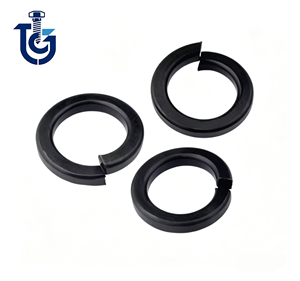
Carbon Steel DIN127 Spring Lock Washer M2.5 Black Oxide Split Lock Washer For Fastening General Industrial Hardware Custom
Contact Us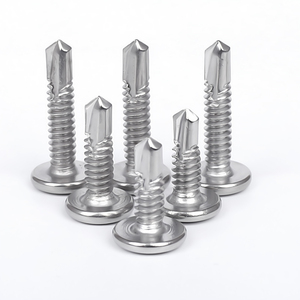
Custom Hex Socket Furniture Screws Standard Stainless Steel Self-Drilling Screw Plain Surface Treatment Available Inch Metric
Contact Us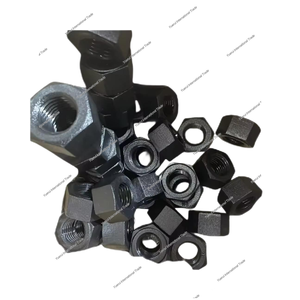
Custom Wholesale DIN934 Stainless Steel Heavy Hex Nut Factory Quality Factory Price Carbon Steel Galvanized Nuts
Contact Us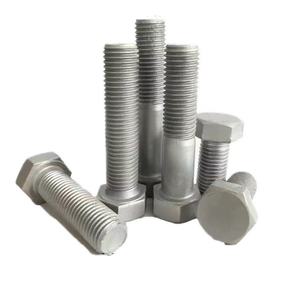
Hot Dip Galvanized ASME B18.2.1 A193 B7 Alloy Steel Heavy Hex Bolts M12 M16 M20 Fasteners for Steel Structure
Contact Us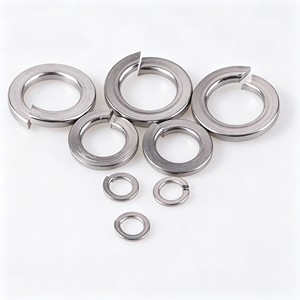
Factory Supply Stainless Steel GB859 Light Type Spring Lock Washer Anti Loosening Full Sizes For Bolt Connection
Contact Us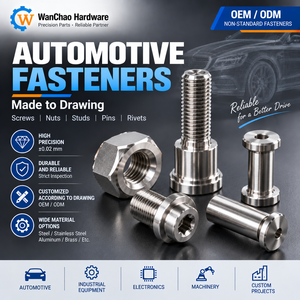
Automotive Fasteners with Custom Screws Nuts Studs Pins and Rivets Made to Drawing
Contact Us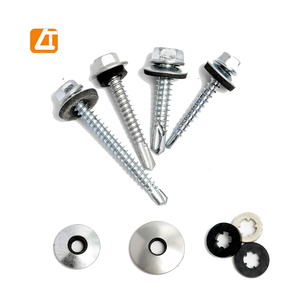
DIN7504K Tornillos Autoperforantes Hexagonal Self Drilling Screw Sizes Hex Head Roofing Screws with EPDM Bonded Rubber Washer
Contact Us105+
Export Destination Countries
350+
Global EPC Projects Delivered
< 5 PPM
Automated Defect Rate
100%
EN 10204 3.1 Traceability
Blind Rivet Fastening Physics & Structural Mechanics
In modern structural engineering, automotive manufacturing, and aerospace assembly, blind rivet fasteners (commonly referred to as pop rivets or structural break-stem fasteners) represent a critical mechanical joining methodology. Unlike traditional threaded bolting systems requiring access to both sides of an assembly, blind rivets allow permanent, vibration-resistant sheet metal and multi-material joining from a single side ("blind access").
A premium blind rivet assembly consists of two primary components: the tubular rivet body (hat) and the internal mandrel (stem). During installation, a specialized pneumatic, hydraulic, or battery-powered riveting tool draws the mandrel head into the rivet body. This axial force upsets the rivet body, expanding it radially against the substrate material and forming a solid, bulbous blind-side head. Once the predefined tensile limit is reached, the mandrel breaks flush or semi-flush at its engineered neck point, leaving a securely clamped joint.
Key Mechanical Attributes in Structural Riveting
High Shear & Tensile Strength
Structural blind rivets (such as Monobolt and Interlock styles) feature mechanically locked mandrels that retain the stem inside the body post-installation, delivering superior shear capacity up to 15.5 kN per fastener.
Vibration & Fatigue Resistance
Unlike threaded hex bolts or self-drilling screws that can back out under continuous harmonic oscillation, blind rivets form a permanent mechanical interlock resistant to loosening under severe cyclic loads.
Galvanic Isolation & Sealed Joints
Closed-end (sealed) blind rivets prevent liquid and gas ingress through the fastener core, while material matching (e.g., 316 Stainless Steel rivets on stainless sheet) mitigates bi-metallic galvanic corrosion.
Future Procurement & Global Industry Trends (2025–2035)
The global industrial fastener market is undergoing a rapid transition toward light-weighting, automated high-speed installation, and strict environmental compliance. Procurement directors and supply chain engineers sourcing from top China blind rivet factories must realign their vendor selection criteria to match three overarching macro-trends:
1. Automated Robotic Riveting Compatibility
With smart factories adopting automated assembly cells, blind rivets must adhere to ultra-tight dimensional tolerances (ISO 15977 / DIN 7337). Variations in mandrel straightness, head diameter, or stem burrs cause feed jams in automated blow-feeding riveting systems. Leading suppliers now utilize high-speed optical sorting systems guaranteeing defect rates below 5 PPM (Parts Per Million).
2. Transition to High-Strength Lightweight Alloys in Automotive & Solar PV
As Electric Vehicle (EV) manufacturers push to extend battery range, steel structural components are increasingly replaced with 6000-series aluminum extrusions and carbon fiber composites. Sourcing trends indicate a sharp surge in demand for Multi-Grip Aluminum-Magnesium (5056 grade) blind rivets and high-shear Structural Tri-Fold rivets that distribute clamping force over wide surface areas without cracking sensitive composite sheets.
3. Eco-Friendly Surface Plating (Zero Cr6+ RoHS & REACH Compliance)
Environmental regulations across Europe and North America have effectively banned hexavalent chromium (Cr6+) coatings. Modern manufacturing demands trivalent chromium passivation, Zinc-Nickel (Zn-Ni) alloy plating capable of exceeding 1,500 hours of neutral salt spray testing (ASTM B117) without red rust, or inorganic Dacromet/Geomet coatings for high-stress steel fasteners susceptible to hydrogen embrittlement.
Material & Standards Engineering Guide
| Rivet Body Material | Mandrel Material | Applicable Standards | Shear Strength Range | Salt Spray Resistance | Target Applications |
|---|---|---|---|---|---|
| Aluminum 5052 / 5056 | Carbon Steel / Stainless | DIN 7337 / ISO 15977 | 1.1 kN – 3.2 kN | 240 – 480 Hours | HVAC, Sheet Metal, Automotive Trim |
| Austenitic SS 304 / 316 | Stainless Steel 304 / 316 | IFI-114 / ISO 15983 | 3.5 kN – 7.8 kN | 1,000 – 2,000 Hours | Marine, Chemical Plant, Offshore Racks |
| Structural Carbon Steel | High-Tensile Carbon Steel | ISO 15979 / Structural | 5.8 kN – 15.5 kN | 720 – 1,500 Hours (Zn-Ni) | Solar PV Racking, Commercial Vehicles |
| Copper / Nickel-Copper (Monel) | Steel / Stainless Steel | DIN 7337 Form A | 2.0 kN – 4.5 kN | 1,500+ Hours | Roofing, Electrical Grounding, Marine |
Factory Strengths & Quality Control Systems
As an established manufacturing authority and global exporter of high-grade fasteners—including stainless steel bolts, nuts, stud bolts, washers, and drawing-customized blind rivets—our operations are underpinned by rigorous quality control protocols tailored for critical engineering sectors.
Raw Material PMI Testing
Every wire coil undergoes Positive Material Identification (PMI) optical emission spectroscopy before cold heading, preventing material grade mix-ups.
Tensile & Shear Testing Lab
In-house hydraulic universal test machines record exact mandrel break loads, head retention forces, and shear limits per ISO 14589 specifications.
Global Project Export Logistics
Seaworthy moisture-proof packaging, custom labeling, heat-treated wooden pallets, and full export compliance for over 105 target country destinations.
Frequently Asked Questions (FAQ) for Fastener Procurement
How do I accurately select the grip range for a blind rivet?
The grip range refers to the total combined thickness of the material layers being joined. To ensure structural integrity, the combined sheet thickness must fall comfortably between the minimum and maximum grip range specified by the manufacturer. Selecting a grip range that is too short will result in insufficient blind-side head formation, leading to low joint strength. Conversely, choosing a grip range that is too long causes excess body bulge, improper mandrel breaking, and potential stem protrusion.
What is the difference between open-end, closed-end, and structural blind rivets?
Open-End Blind Rivets are the most common, cost-effective rivets suitable for standard sheet metal joining where water-tightness is not required.
Closed-End (Sealed) Blind Rivets feature a 100% enclosed tubular body that retains the mandrel head inside, creating a pressure-tight seal against liquids and gases.
Structural Blind Rivets (e.g., Monobolt, Interlock) incorporate a mechanical stem-locking mechanism that locks the mandrel stem permanently inside the body, offering exceptionally high shear strength, structural rigidity, and resistance to heavy vibration.
Which material combination prevents galvanic corrosion in outdoor environments?
Galvanic corrosion occurs when two dissimilar metals are joined in the presence of an electrolyte (such as rainwater or salt spray). To prevent accelerated decay:
- For aluminum sheet structures: Use Aluminum body rivets with Stainless Steel or Aluminum mandrels.
- For 304 or 316 Stainless Steel assemblies: Always select 304 or 316 Stainless Steel blind rivets.
- For outdoor solar racking or galvanized structural steel: Use High-Zinc plated carbon steel or specialized stainless steel structural fasteners.
Can China blind rivet factories supply customized non-standard rivets to drawing?
Yes. Leading OEM/ODM manufacturers can produce non-standard blind rivets, drive rivets, self-drilling screws, hex nuts, and specialized studs based on client CAD drawings or physical samples. Customizations include specific body lengths, countersunk head angles (e.g., 100° or 120°), large flange diameters (LF), non-standard mandrel diameters, and specialty surface coatings such as PTFE, Dacromet, or anodized finishes.
What documentation is provided with B2B export shipments?
Standard export documentation supplied with industrial fastener shipments includes:
- EN 10204 3.1 Mill Test Certificates (MTC) detailing chemical composition and mechanical properties.
- Dimension Inspection Reports & Coating Thickness Certificates.
- Certificate of Origin (Form E, Form F, or CO for customs duty optimization).
- Commercial Invoice, Packing List, and Bill of Lading (B/L).
- Third-party inspection reports (SGS, TUV, BV) available upon request.
Partner with China's Premier Blind Rivet & Fastener Manufacturer
Need factory-direct pricing, technical drawing evaluation, or custom material samples for your upcoming project? Speak directly with our senior application engineers.
Contact Us