
Industrial High-Strength Fasteners & Precision Components
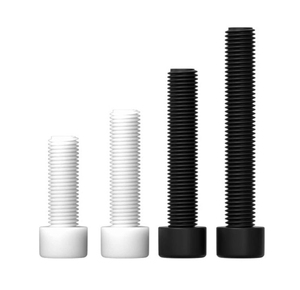
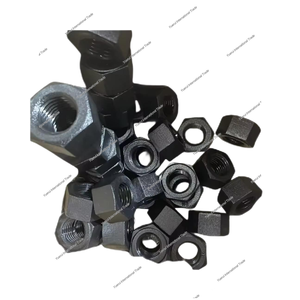
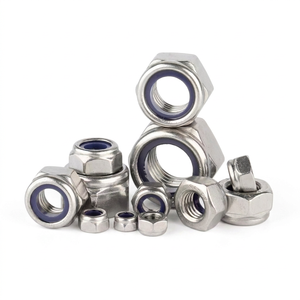
Industrial Metallurgy & Sourcing High-Strength Stud Bolts in China
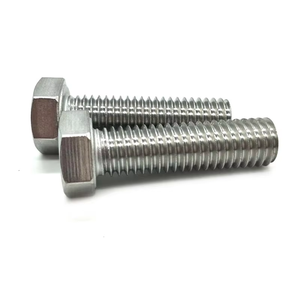
In modern industrial infrastructure—encompassing high-pressure petrochemical pipelines, subsea oil rigs, nuclear power installations, heavy automotive chassis, and renewable wind turbines—the integrity of bolted joints is a safety-critical requirement. High-strength studs, fully threaded stud bolts, and double-end studs function as the primary structural clamping elements under severe dynamic tension, shear loads, thermal cycling, and corrosive exposure.
As a leading Chinese manufacturer and global exporter of high-strength studs and alloy fasteners, our engineering operations combine advanced cold heading, precision CNC hot forging, thread rolling, and fully automated controlled-atmosphere heat treatment. We supply global EPC contractors, original equipment manufacturers (OEMs), and stocking distributors with fully certified fasteners conforming strictly to ASTM, ASME, DIN, ISO, BS, and EN standards.
Information Gain Insight: Unlike standard carbon steel fasteners, structural high-strength studs (such as ASTM A193 Grade B7, B16, and ASTM A453 Grade 660) undergo specialized quenching and tempering process controls to eliminate micro-structural inclusions, ensuring elevated yield strength (>105,000 PSI) and low-temperature impact toughness down to -100°C (-148°F).
Technical Blueprint: Material Alloys & Mechanical Specifications
Selecting the optimal fastener grade requires a complete understanding of joint mechanics, temperature limits, microstructural stability, and galvanic compatibility. High-strength studs manufactured in China are engineered from raw material heats subjected to strict Chemical Ladle Analysis and Positive Material Identification (PMI).
1. High-Temperature & High-Pressure Bolting (ASTM A193 / A194 Series)
For pressure vessel flanges, valves, and heat exchangers operating above 400°C (752°F), alloy steel and austenitic stainless steel studs are mandatory:
- ASTM A193 Grade B7 (AISI 4140/4142 Chromium-Molybdenum): Heat-treated alloy steel rated for high-pressure fluid service. Tensile strength minimum 125,000 PSI (860 MPa). Paired with ASTM A194 Grade 2H heavy hex nuts.
- ASTM A193 Grade B7M: Specifically modified B7 studs with controlled maximum hardness (235 HBW) designed for sour gas service compliant with NACE MR0175/ISO 15156 to prevent Hydrogen-Induced Stress Corrosion Cracking (SCC).
- ASTM A193 Grade B16 (Chromium-Molybdenum-Vanadium): Formulated with vanadium additions to preserve creep-rupture strength at elevated temperatures up to 593°C (1100°F). Ideal for power generation turbines and refinery boilers.
- ASTM A193 Grade B8 / B8M (Class 1 & Class 2): Austenitic Stainless Steels (AISI 304 and 316). Class 2 studs undergo strain hardening to achieve higher tensile performance (up to 125,000 PSI) while maintaining extreme corrosion resistance.
2. High-Strength Metric Property Classes (ISO 898-1)
In metric industrial machinery, property classes dictate mechanical capabilities:
- Class 8.8 Studs: Quenched and tempered medium carbon steel. Minimum Tensile Strength: 800 MPa; Yield Point: 640 MPa.
- Class 10.9 Studs: Low-alloy carbon steel. Minimum Tensile Strength: 1040 MPa; Yield Point: 940 MPa. Widely specified in automotive suspensions and structural steel joints.
- Class 12.9 Studs: Alloy steel (e.g., 42CrMo). Minimum Tensile Strength: 1220 MPa; Yield Point: 1100 MPa. Provides highest clamping force density for space-constrained, heavy-torque mechanical assemblies.
| Specification / Grade | Material Category | Min. Tensile Strength (PSI / MPa) | Min. Yield Strength (PSI / MPa) | Operating Temp. Range | Primary Industrial Applications |
|---|---|---|---|---|---|
| ASTM A193 B7 | Cr-Mo Alloy Steel (AISI 4140) | 125,000 PSI / 860 MPa | 105,000 PSI / 720 MPa | -29°C to 425°C | Oil & Gas Flanges, Pressure Vessels |
| ASTM A193 B16 | Cr-Mo-V Alloy Steel | 125,000 PSI / 860 MPa | 105,000 PSI / 720 MPa | Up to 593°C (1100°F) | Steam Turbines, Boiler Feed Pumps |
| ASTM A453 Gr. 660 | A286 Superalloy (Incoloy) | 130,000 PSI / 895 MPa | 85,000 PSI / 585 MPa | Up to 700°C (1300°F) | Gas Turbines, Jet Engine Mounts |
| ISO 898-1 Class 10.9 | Medium Alloy Steel (40Cr) | 150,800 PSI / 1040 MPa | 136,300 PSI / 940 MPa | -40°C to 300°C | Automotive Engine & Frame Joints |
| ISO 898-1 Class 12.9 | 42CrMo High Alloy Steel | 176,900 PSI / 1220 MPa | 159,500 PSI / 1100 MPa | -40°C to 250°C | Heavy Mining Equipment, Wind Turbines |
| Inconel 625 / 718 | Nickel-Chromium Superalloy | 180,000 PSI / 1241 MPa | 150,000 PSI / 1034 MPa | -250°C to 704°C | Subsea Offshore & Aerospace Systems |
Enterprise Manufacturing Excellence & Quality Engineering
Achieving defect-free high-strength studs requires rigorous controls across every manufacturing stage. Below is a breakdown of our advanced manufacturing workflow:
1. Precision Thread Rolling
Unlike machined or cut threads which sever the metallic grain lines, our studs feature 100% cold-rolled threads. Thread rolling burnishes the root radius, creating continuous grain flow lines that increase fatigue life by over 300% and resist vibration loosening under extreme dynamic stress.
2. Atmosphere Heat Treatment
Quenching and tempering are performed in computer-controlled continuous mesh-belt furnaces using protective endothermic gas atmospheres. This prevents surface decarburization, guarantees consistent martensitic core transformation, and eliminates localized stress concentration points.
3. Rigorous NDT & Metallography
Every production lot is sampled for Magnetic Particle Inspection (MPI) to detect sub-surface micro-cracks. Optical emission spectrometry verifies chemical composition, while universal hydraulic testing machines validate proof load, ultimate tensile strength, elongation, and Charpy V-Notch impact resistance.
2025–2030 Global Sourcing Trends in High-Strength Fasteners
As international supply chains evolve, global procurement directors in Europe, North America, the Middle East, and Southeast Asia are adapting their sourcing strategies for threaded rod, heavy hex nuts, and studs manufactured in China. Key structural trends include:
A. Shift Toward Advanced Anti-Corrosion Surface Coatings
Traditional hot-dip galvanizing and electro-zinc plating are increasingly supplemented or replaced by high-performance barrier coatings. Fluoropolymer (PTFE / Xylan®) coatings offer coefficient-of-friction consistency (μ = 0.08–0.12) essential for predictable torque tensioning while delivering 1,500+ hours of ASTM B117 salt spray corrosion resistance.
Additionally, Zinc-Nickel (Zn-Ni) electroplating (12-15% Ni content) is rapidly expanding in automotive and subsea bolting, providing superior galvanic corrosion protection without the risk of hydrogen embrittlement inherent to high-hardness fasteners.
B. Traceability, ESG & Carbon Neutral Manufacturing
Industrial buyers now demand complete supply chain transparency. Modern Chinese export manufacturing facilities integrate ESG-compliant green steel sourcing (EAF electric arc furnaces) and implement digital heat-number tracing from steel billet to packaged crate.
Every shipment is accompanied by standardized EN 10204 Type 3.1 Mill Test Certificates, detailing actual chemical analysis, mechanical test results, hardness values, and non-destructive testing verification.
Why Partner With China’s Leading Stud Manufacturer & Exporter
Our manufacturing complex in China integrates raw material warehousing, cold heading, hot forging, thread rolling, surface treatment, and quality inspection under one centralized quality management system certified to ISO 9001:2015, ISO 14001:2015, and IATF 16949.
Extensive Tooling Stock
We maintain thousands of precision heading dies and thread rolling chasers, allowing rapid production of non-standard pitch sizes, double-end studs with unthreaded centers (DIN 938 / DIN 939), tap-end studs, and custom drawings from M3 to M120 (1/8" to 4.0").
Flexible OEM / ODM Packaging
From small retail polybags with custom barcoding to heavy-duty export-grade wooden crates lined with VCI anti-corrosion barrier film, our packaging protects high-precision threads during extended ocean transportation.
Global Logistics Support
Our dedicated export department handles customs documentation, certificate of origin (Form F, Form E, CO), third-party inspections (SGS, BV, TUV, Intertek), and DAP/DDP logistics directly to project jobsite warehouses worldwide.
Frequently Asked Questions (FAQ) for Engineering Procurement
Answers to critical technical queries compiled from structural engineers, QA inspectors, and global sourcing managers:
A stud bolt is a precision-manufactured fastener with specific length dimensions, chamfered ends, and thread specifications designed for high-stress clamping (e.g., pipe flange joints). It is fully heat-treated to structural material specifications such as ASTM A193 B7 or ISO Class 10.9. A threaded rod (or all-thread rod) is typically a continuous 1-meter to 3-meter length bar often produced from un-heat-treated low carbon steel (Grade 4.6 or A307) used for general framing, electrical drop hangers, and light construction.
High-strength steel fasteners with hardness exceeding 32 HRC (approx. 300 HV) are vulnerable to Hydrogen Embrittlement (HE) when exposed to acid pickling or electroplating processes. To eliminate this risk, our facility mandates an immediate Hydrogen Bake-Out Process. Fasteners are baked in recirculating air ovens at 190°C–220°C for a minimum of 4 to 24 hours within 1 to 4 hours after electroplating. Alternatively, we recommend non-electrolytic coatings such as Zinc Flake (Geomet / Dacromet) or mechanical galvanizing which generate zero atomic hydrogen during application.
Every export shipment is backed by comprehensive quality documentation, including: 1. EN 10204 Type 3.1 Inspection Certificate: Detailing chemical heat analysis, mechanical proof load, yield, tensile, elongation, hardness, and Charpy impact values. 2. NDT Test Reports: Magnetic Particle Inspection (MPI) and Ultrasonic Testing (UT) reports where specified. 3. Surface Coating Thickness Certificate: Magnetic gauge or X-ray fluorescence measurement logs. 4. Certificate of Origin (CO): Standard CO, Form E, Form F, or Chamber of Commerce legalized documentation.
Thread rolling is a cold deformation process where hardened steel dies compress the blank diameter to form threads. This process provides three major mechanical benefits: - Increased Grain Continuity: Metal fibers are reoriented smoothly along the thread contours rather than being cut. - Increased Fatigue Life: Residual compressive stress at the thread root increases resistance to fatigue failure under cyclic loads. - Superior Surface Finish: Rolled threads feature smooth micro-finishes (Ra < 0.8 µm), reducing thread friction coefficient during torque application.
Yes. Over 40% of our production capacity is dedicated to custom engineered fasteners. We work directly with your CAD drawings (.DWG, .STEP, .PDF) to manufacture double-end studs, tap-end studs, stepped studs, necked-down reduced shank studs for thermal expansion joints, and custom pitch thread geometries in exotic superalloys (Inconel, Monel, Hastelloy, Titanium, and Duplex SS).
Streamline Your Global Fastener Procurement Today
Connect directly with our senior metallurgical applications team for instant technical consultation, pricing quotes, factory audits, and sample evaluations.
Send an Inquiry