
Featured Industrial Fasteners & Threaded Components
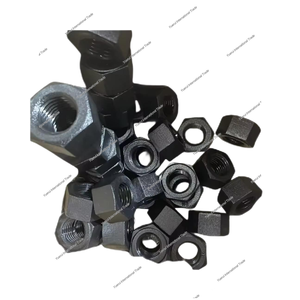
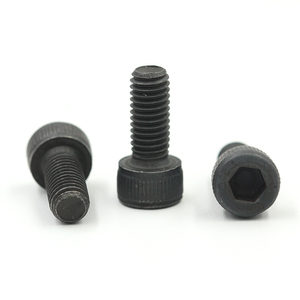
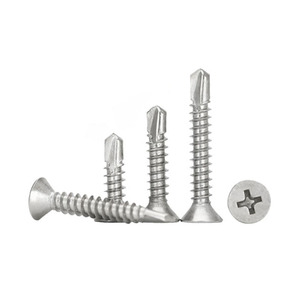
Explore our export-grade non-ferrous and high-alloy fastener inventory engineered for high mechanical integrity, electrical conductivity, and extreme corrosion resistance.
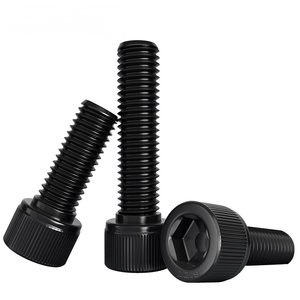
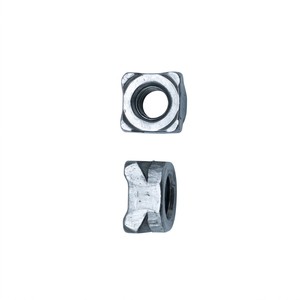
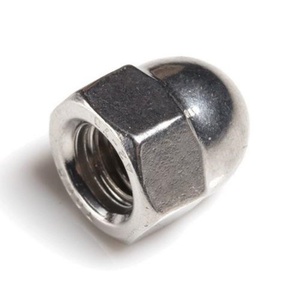
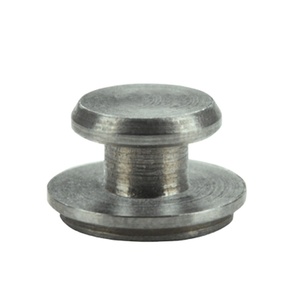
Engineering Insights: Selecting Brass Threaded Fasteners for Critical Applications
A comprehensive metallurgical breakdown of non-ferrous fastening systems, alloy composition selection, and thread engagement dynamics in modern engineering.
When evaluating a top trusted brass threaded fasteners supplier, industrial engineering teams must look beyond dimensional geometry. Brass fasteners—constructed predominantly from copper and zinc binary alloys—offer a unique combination of non-magnetic permeability, thermal/electrical conductivity, low coefficient of friction, and exceptional resistance to biofouling and atmospheric corrosion. In critical sectors such as marine engineering, electrical switchgear manufacturing, telecommunications, and fluid metering, selecting the exact brass grade prevents catastrophic stress corrosion cracking (SCC) and thread galling.
At Neelkamal Alloys LLP, our manufacturing protocols integrate rigorous microstructural evaluation with precision CNC turning and cold-heading technologies. Whether supplying standard metric machine screws (DIN 84, DIN 963) or bespoke heavy brass hex nuts and threaded rods to ASME B18.2.2 specifications, every batch undergoes chemical validation via Optical Emission Spectroscopy (OES) to guarantee compliance with international environmental standards, including EU RoHS 3 and REACH regulations.
Free-Cutting Brass (C36000 / CZ121)
Composition: Cu 60-63%, Pb 2.5-3.7%, Fe ≤ 0.35%, Zn Balance.
The benchmark alloy for high-speed automated CNC lathe machining. Excellent machinability rating (100%) with superior thread definition for electrical terminals, standoffs, and knurled inserts.
Naval Brass (C46400 / CZ112)
Composition: Cu 59-62%, Sn 0.75-1.25%, Zn Balance.
Engineered specifically for subsea and marine environments. The inclusion of tin inhibits dezincification in saltwater, providing elevated yield strength and resistance to marine bio-fouling.
High-Tensile Silicon Bronze (C65500)
Composition: Cu 97%, Si 3%, Mn 1%.
While technically a bronze alloy, it serves as an ultra-high-strength non-ferrous alternative to standard brass. Offers tensile strengths matching 304 stainless steel while maintaining zero magnetic signature.
Comparative Mechanical & Physical Specifications
The table below illustrates key physical and mechanical parameters across common copper-alloy fastener materials compared to standard austenitic stainless steel.
| Material Grade | UNS / EN Standard | Tensile Strength (MPa) | Yield Strength (MPa) | Electrical Cond. (% IACS) | Primary Industrial Use Case |
|---|---|---|---|---|---|
| Free-Cutting Brass | C36000 / CuZn39Pb3 | 380 - 550 | 230 - 350 | 26% | Electrical enclosures, PCB standoffs, terminals |
| Naval Brass | C46400 / CuZn38Sn1 | 450 - 600 | 190 - 310 | 26% | Marine hardware, seawater valves, pump shafts |
| Cartridge Brass | C26000 / CuZn70 | 300 - 450 | 120 - 250 | 28% | Cold-formed rivets, eyelets, stamped washers |
| Silicon Bronze | C65500 / CuSi3Mn1 | 520 - 700 | 250 - 400 | 7% | Heavy duty naval fastenings, power distribution |
| Stainless Steel (316) | S31600 / 1.4401 | 515 - 620 | 205 - 300 | 2.3% | Chemical processing, offshore oil & gas |
Why Global Procurement Teams Partner with Neelkamal Alloys LLP
Combining world-class manufacturing infrastructure in Mumbai, India, with rigorous EN 10204 3.1 quality controls and end-to-end supply chain transparency.
100% Traceability & EN 10204 3.1 Certification
Every shipment of brass bolts, machine screws, nuts, and studs is paired with raw material heat-number traceability. Mill Test Certificates (MTC) as per EN 10204 3.1 are supplied standard, detailing exact chemical composition and mechanical test results validated by third-party agencies (TUV, BV, DNV, SGS on request).
High-Precision CNC & Swiss Lathe Manufacturing
Our state-of-the-art machine shop features multi-axis CNC Swiss turn-mill centers capable of holding strict tolerances down to ±0.005mm. From micro-threaded brass standoffs for PCB assemblies to heavy M100 brass flange bolts, our production lines execute flawless pitch alignment and surface finishing.
Global Export Infrastructure (105+ Countries)
With established supply corridors across the UAE, Saudi Arabia, the United Kingdom, Germany, Singapore, and North America, we manage export logistics seamlessly. Fasteners are packed using seaworthy, moisture-proof barrier bags, heavy-duty wooden crates, and ISPM-15 compliant heat-treated pallets.
Bespoke Custom Fasteners to Client Drawings
Beyond standard DIN, ANSI, and ISO items, our engineering department collaborates directly with OEM procurement teams. We transform CAD/STEP files into specialized brass threaded inserts, stepped studs, security screws, and custom-plated hardware tailored to your specific system architecture.
Future Procurement & Technological Trends in Brass Fastening (2025–2030)
Key regulatory shifts, metallurgical innovations, and smart supply chain strategies transforming non-ferrous fastener procurement globally.
1. The Global Shift Toward Lead-Free & DZR Brass Alloys
Strict environmental directives—such as the Revised EU Drinking Water Directive and US Safe Drinking Water Act (NSF/ANSI 61)—are accelerating the global transition toward lead-free brass alloys (Pb < 0.1%). Modern procurement strategies increasingly mandate Silicon-Brass (e.g., C69300 Eco Brass) or Bismuth-modified alloys. Furthermore, Dezincification Resistant (DZR) brasses are becoming non-negotiable for plumbing, HVAC, and industrial liquid handling systems exposed to soft or acidic water, preventing selective leaching of zinc that compromises fastener structural integrity.
2. Automation-Ready Fasteners & Thread Cleanliness Standards
As global manufacturing plants transition to robotic assembly and automated bowl feeders, thread consistency and burr-free surfaces are essential. Sub-standard fasteners with microscopic flash or non-conforming lead threads cause expensive automated line jams. Future procurement contracts are specifying ISO 3269 quality acceptance levels and automated optical sorting (100% vision inspection) to ensure zero defect rates in high-speed assembly lines.
3. Advanced Surface Platings & Anti-Galling Treatments
While raw brass inherently offers superior galling resistance compared to stainless steel, harsh operational environments demand hybrid surface engineering. Electroless Nickel Plating (ENP), Tin-Lead/Pure Tin electroplating, and PTFE dry-film coatings are experiencing double-digit growth. These surface treatments enhance chemical resistance against sulfide-rich industrial atmospheres while maintaining consistent friction coefficients (μ = 0.10 - 0.14) during automated torque-tightening protocols.
4. Near-Shoring, Buffer Stocking, and Supply Chain Resiliency
Geopolitical shifts and freight volatilities have reshaped industrial purchasing patterns. Tier-1 EPC contractors and OEMs are moving away from single-source just-in-time purchasing toward long-term framework agreements with established manufacturers who maintain extensive raw bar inventories and integrated manufacturing capabilities. Partnering with a consolidated supplier like Neelkamal Alloys LLP—capable of managing exotic nickel alloys, stainless steel, and brass within a unified quality management system—mitigates supply chain disruption risks.
Frequently Asked Sourcing & Engineering Questions
Expert guidance from our technical sales engineering team addressing critical procurement parameters for brass threaded fasteners.
What makes brass threaded fasteners superior to stainless steel in electrical applications?
How does Neelkamal Alloys LLP prevent Stress Corrosion Cracking (SCC) in brass fasteners?
What thread pitch and tolerance standards do you manufacture?
Can you supply lead-free brass fasteners compliant with RoHS and REACH standards?
What third-party quality testing procedures are available for custom project orders?
What is the typical order lead time for export shipments from Mumbai?
Request a Custom Technical Quote for Brass Fasteners
Direct factory pricing, complete material traceability, and flexible MOQs. Connect with our engineering sales specialists today to discuss your project requirements.
Contact Us