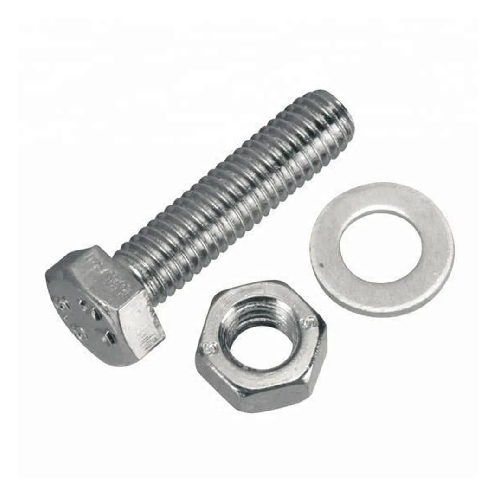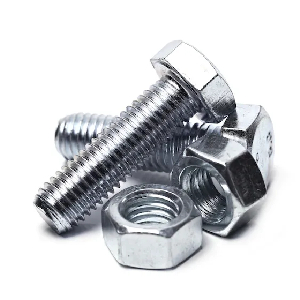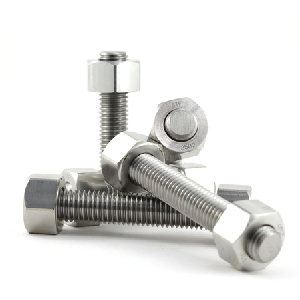
1. Metallurgical Science & Material Selection for Chemical Industry Fasteners
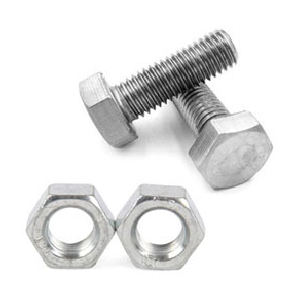
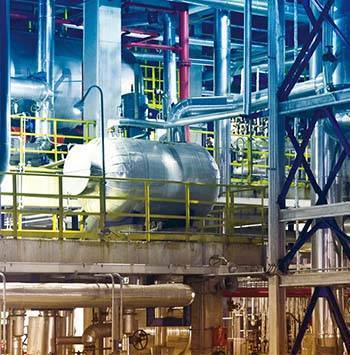
In modern chemical processing plants—spanning chlor-alkali production, nitric/sulfuric acid concentration units, fertilizer synthesis, and pharmaceutical batch reactors—fasteners represent less than 1% of total plant capital expenditure yet account for over 45% of unexpected containment leaks and unscheduled downtime. Selecting the right Chemical Industry Fasteners requires an in-depth evaluation of chemical concentration, operating temperature, mechanical load, and local pitting corrosion dynamics.
Standard carbon steel and low-grade stainless steels suffer rapid degradation when exposed to aggressive chemical media. Mechanical engineers and procurement directors must evaluate alloys based on their Pitting Resistance Equivalent Number (PREN), defined by the metallurgical formula:
PREN Calculation Formula
PREN = %Cr + 3.3(%Mo + 0.5%W) + 16(%N)
Higher PREN values correlate directly with enhanced resistance to localized pitting and crevice attack in chloride-rich chemical media.
Comparative Metallurgy for Chemical Fasteners
Below is an engineering analysis of primary fastener alloys specified for chemical processing equipment:
- Austenitic Stainless Steels (SS 316 / SS 316L / SS 317L): Containing 16–18% Chromium and 2–3% Molybdenum (PREN ~25), SS 316L is the baseline standard for organic acids, food-grade chemicals, and dilute nitric acid solutions. However, in hot chloride environments above 60°C, SS 316L is susceptible to Chloride Stress Corrosion Cracking (CSCC).
- Duplex 2205 (UNS S31803 / S32205): Featuring a dual-phase ferritic-austenitic microstructure, Duplex 2205 achieves a PREN of 34–36. It delivers twice the yield strength of SS 316 and outstanding immunity to CSCC in brackish cooling water and medium-concentration acid streams.
- Super Duplex 2507 (UNS S32750 / S32760): Designed for highly aggressive chemical media, Super Duplex offers PREN > 42. It is widely utilized in phosphoric acid evaporators, flue gas desulfurization (FGD) scrubbers, and marine chemical transportation.
- Hastelloy C276 (UNS N10276): A nickel-molybdenum-chromium superalloy with added tungsten, Hastelloy C276 achieves an exceptional PREN ~ 68. It is virtually immune to wet chlorine gas, hypochlorite solutions, chlorine dioxide, and hot concentrated hydrochloric and hydrofluoric acids.
- Inconel 625 (UNS N06625): High nickel (58% min) combined with chromium, molybdenum, and niobium provides exceptional strength from cryogenic temperatures up to 980°C. Inconel 625 fasteners excel in high-temperature chemical pyrolysis and organic synthesis reactors.
- Alloy 20 (UNS N08020): Specifically formulated to combat hot sulfuric acid attack across concentration ranges from 20% to 40%. Alloy 20 fasteners are stabilized with Niobium to resist intergranular corrosion in welded chemical vessel flanges.
- Titanium Grade 2 & Grade 5 (Ti-6Al-4V): Titanium forms an instantaneous, self-healing oxide film ($\text{TiO}_2$) in oxidizing media. It provides absolute resistance to wet chlorine gas, nitric acid, and sodium hypochlorite in chlor-alkali membrane cells.